The short version
- Fly Tokyo (Haneda or Narita) to New Chitose Airport — the flight runs about 90 minutes.
- From New Chitose, take a direct resort bus to Niseko — roughly 2.5 to 3 hours, no transfers.
- Door to door it is most of a travel day, so book the flight and the bus together and don't plan to ski the same afternoon.
- The train works but it is slower and involves changes; the bus is the path of least resistance.
- Pick which Niseko base you're heading to before you book the transfer — Hirafu, Village and Annupuri are different drop-offs.
The short version: you don't take a train the whole way, and there's no direct flight to Niseko itself. You fly from Tokyo to New Chitose Airport near Sapporo — about 90 minutes in the air — and then take a direct bus from the airport to the resort, which runs roughly 2.5 to 3 hours depending on weather. That's the whole trip.
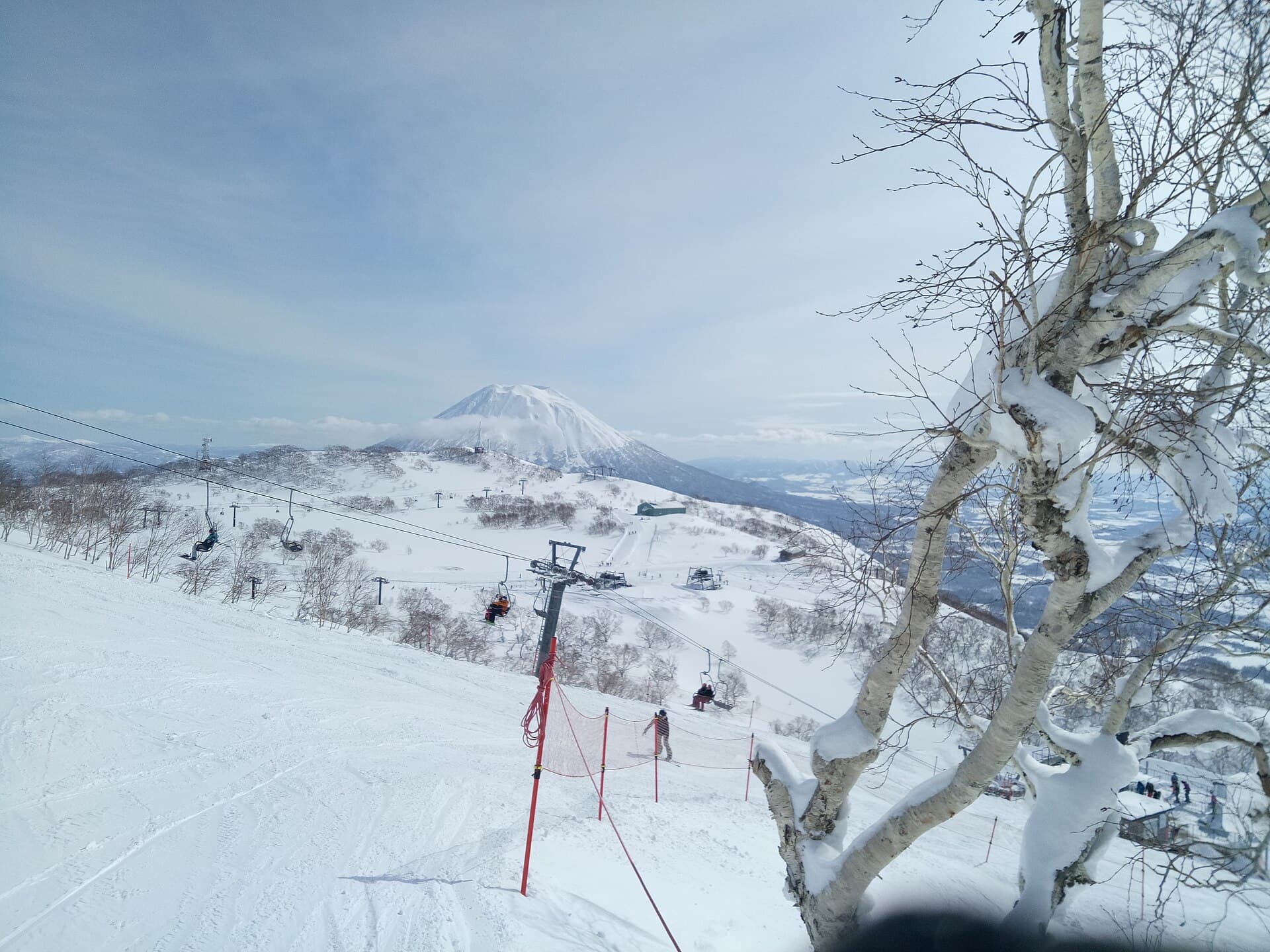
Almost everyone overcomplicates this. Niseko is on Hokkaido, Japan's northern island, and the powder that makes Niseko United famous — around 15m of snow a season across its four linked mountains — is exactly why the weather can stretch that bus ride out. Here's how to do it without losing a day to bad planning.
The honest answer
Fly, then bus. The Tokyo–Sapporo air route is one of the busiest in the world, so you'll have plenty of departures to choose from out of both Haneda and Narita. Flights land at New Chitose Airport (airport code CTS), which is the gateway for all of southwest Hokkaido — Niseko, Rusutsu and Kiroro all funnel through it.
Once you're on the ground, a direct resort coach is the simplest way to Niseko. No train changes, no dragging ski bags across platforms, usually one comfort stop along the way. The trade-off is time: between the flight, the airport buffer and the bus, getting from central Tokyo to your accommodation in Niseko realistically eats most of a day. Plan for that and you'll arrive relaxed instead of frustrated.
Step 1: Fly Tokyo to New Chitose
Both of Tokyo's airports serve the route. Haneda is more central and tends to be the smoother choice if you're already in the city; Narita is further out but is often where international long-haul flights and budget carriers land, so it can save you a transfer if you're connecting from overseas.
The flight itself is short — about 90 minutes in the air as of the 2025–26 winter — but the day around it is not. Add time to clear a domestic transfer if you're coming off an international flight, to check oversized ski and snowboard bags, and to claim them at the other end. The single biggest mistake people make is booking a transfer bus too tight against their landing time. Give yourself a generous gap.
Step 2: Get from New Chitose to Niseko
This is the leg that matters, and you have four real options. Most people should just take the bus.
- Direct resort bus — the default. A scheduled coach from the airport to the Niseko bases, roughly 2.5 to 3 hours with no changes. Cheapest comfortable option and the one to book first.
- Private or shared transfer — a van that takes you door to door. Costs more than the bus but drops you at your accommodation, which is worth it with a big group, small kids, or a lot of gear.
- Train — the JR route runs from New Chitose toward Otaru and on toward Kutchan, but it involves changes and is slower end to end than the bus. Fine if you enjoy the trains; not the efficient choice with luggage.
- Rental car — flexible and handy if you also want to ski Rusutsu or Kiroro in the same trip, but Hokkaido winter driving is genuinely demanding. Only if you're confident on snow and ice.
For context on how the bus times stack up against neighbouring resorts: the resort data lists Niseko at roughly 2 to 3 hours from New Chitose, Rusutsu at about 90 minutes, and Kiroro at around 2 hours. Niseko is the furthest of the three, which is the price of its snow.
On cost, the ranking is simple even without quoting numbers that shift every season: the scheduled bus is the cheapest comfortable way in, a shared shuttle sits in the middle, and a private van or taxi is the most expensive but the least hassle. Whatever the headline price, weigh it against arriving at the wrong end of the valley with bags and a tired group — sometimes the door-to-door option is the better deal in everything but yen.
Know which Niseko base you're heading to
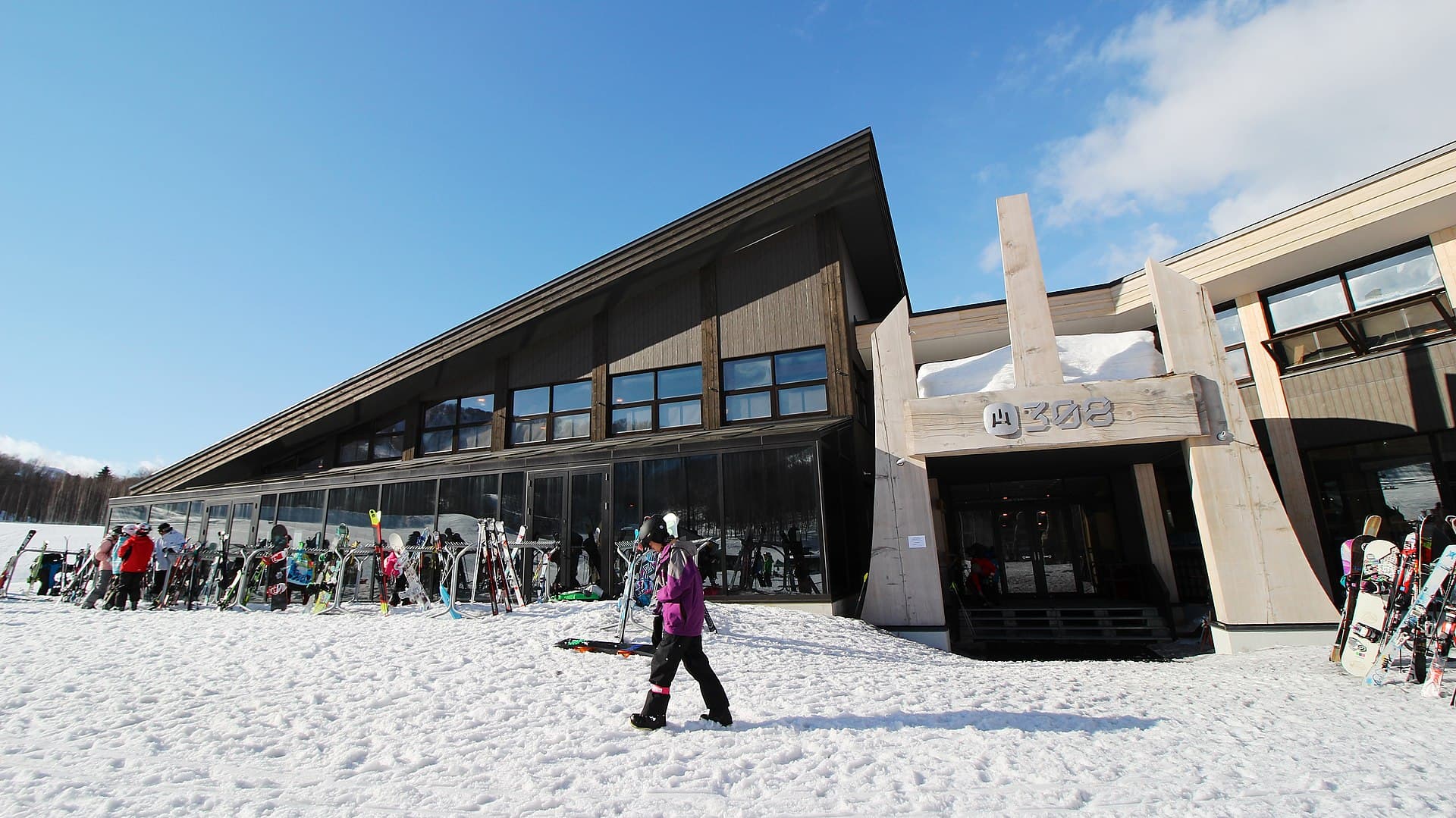
"Niseko" isn't one resort — it's four mountains sharing a single lift pass, and the buses drop at different points around the valley. Sort out where you're sleeping before you book the transfer, because the right drop-off saves you a cold taxi at the end of a long day.
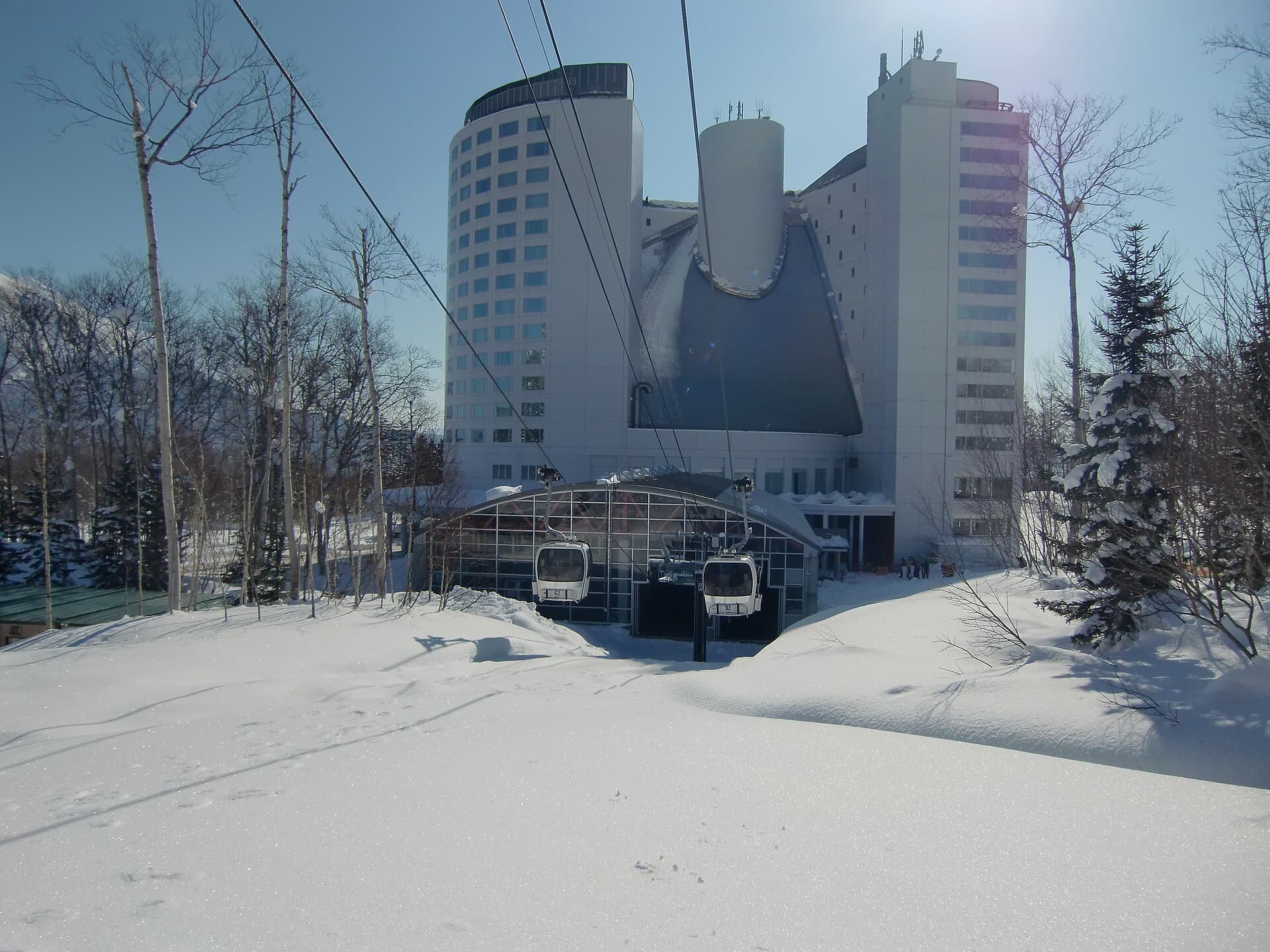
Grand Hirafu is the largest of the four, with 30 runs and a 940m vertical drop, and it has the liveliest village — the most dining and nightlife, and the most international crowd. If it's your first Japan trip, this is the easy base.
Niseko Village is quieter and built around ski-in ski-out hotels, with 27 runs and an 890m drop. Annupuri sits on the western face — 28 runs, 756m, noticeably thinner crowds — and a local bus links it back to Hirafu. Hanazono is the smallest of the four at 11 runs but holds some of the best tree skiing on the hill. Whichever you choose, the unified pass lets you roam all four.
Practically, this matters because the airport coaches run as a loop through the valley, and the difference between getting off at your base and getting off two stops early is a cold walk or an extra taxi in the dark. When you book the bus, give the operator the actual name of your hotel or the base area it sits on, not just "Niseko" — the village sprawls, and the four areas are spread around the mountain rather than stacked in one town.
What to do next
Book in this order: Tokyo–New Chitose flight first, then the direct resort bus to match it, then confirm your accommodation's nearest drop-off so the transfer ends at the right door. If you're still deciding whether Niseko is the right call at all, read our best powder resorts in Japan breakdown, then compare the four bases on the Grand Hirafu and Niseko United pages before you commit.