The short version
- Take the Hokuriku Shinkansen from Tokyo Station to Iiyama — around 100 minutes as of the 2025–26 season — then the Nozawa Onsen Liner bus up to the village, roughly 25 minutes more.
- One catch: only the Hakutaka service stops at Iiyama. Board a Kagayaki and you'll sail straight past your stop.
- The bus is timed around train arrivals, so the handover at Iiyama is one of the easiest in Japanese skiing.
- Nozawa is a genuinely car-free trip — the village is walkable, the resort data tags it no-car, and a rental would spend the week parked.
- Total door to door from central Tokyo: comfortably under three hours, which for a 12m-a-season snow village is a bargain in travel time.
The short version: ride the Hokuriku Shinkansen from Tokyo Station to Iiyama — around 100 minutes as of the 2025–26 winter — then take the Nozawa Onsen Liner bus from right outside the station up to the village, about 25 minutes more. That's the whole journey. No flights, no long transfers, no driving. It's one of the simplest routes to any major Japanese ski resort, and the resort's own access notes say the same thing: shuttle from JR Iiyama.
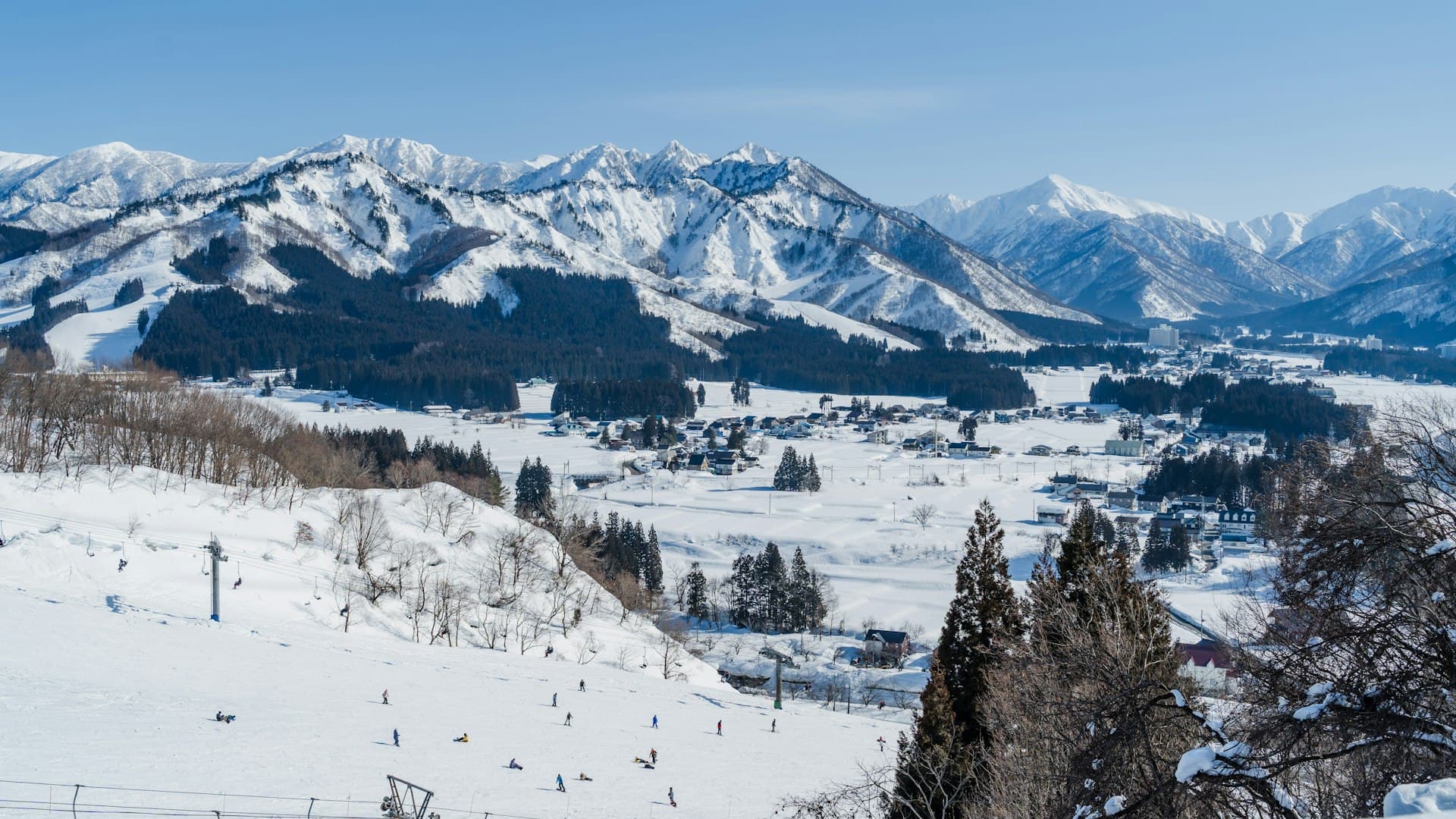
Nozawa Onsen rewards the short trip, too. This is a 1,200-year-old hot-spring village with a premium-tier resort on top of it — 36 runs, a 1,085m vertical, around 12m of snow a season, and 13 free public baths in the streets below the lifts. If Hakuba is the accessible big-mountain valley, Nozawa is the accessible village. Here's how to do the trip cleanly.
The honest answer
Shinkansen to Iiyama, bus to the village. There is no meaningful alternative worth plotting, and that's a feature, not a limitation. Unlike Hakuba — where you pick between a train-plus-bus and a slow direct coach — Nozawa's route has essentially one right answer, and it's fast. The enrichment data on our resort page lists the trip at roughly 100 minutes by Shinkansen plus the bus, which matches how it plays out in practice.
The one thing that catches people out is the train itself. The Hokuriku Shinkansen runs more than one service pattern, and as of the 2025–26 season only the Hakutaka stops at Iiyama — the faster Kagayaki skips it entirely. Check the service name when you book, not just the departure time. Get this one detail right and the rest of the journey more or less runs itself.
Step 1: Hokuriku Shinkansen, Tokyo to Iiyama
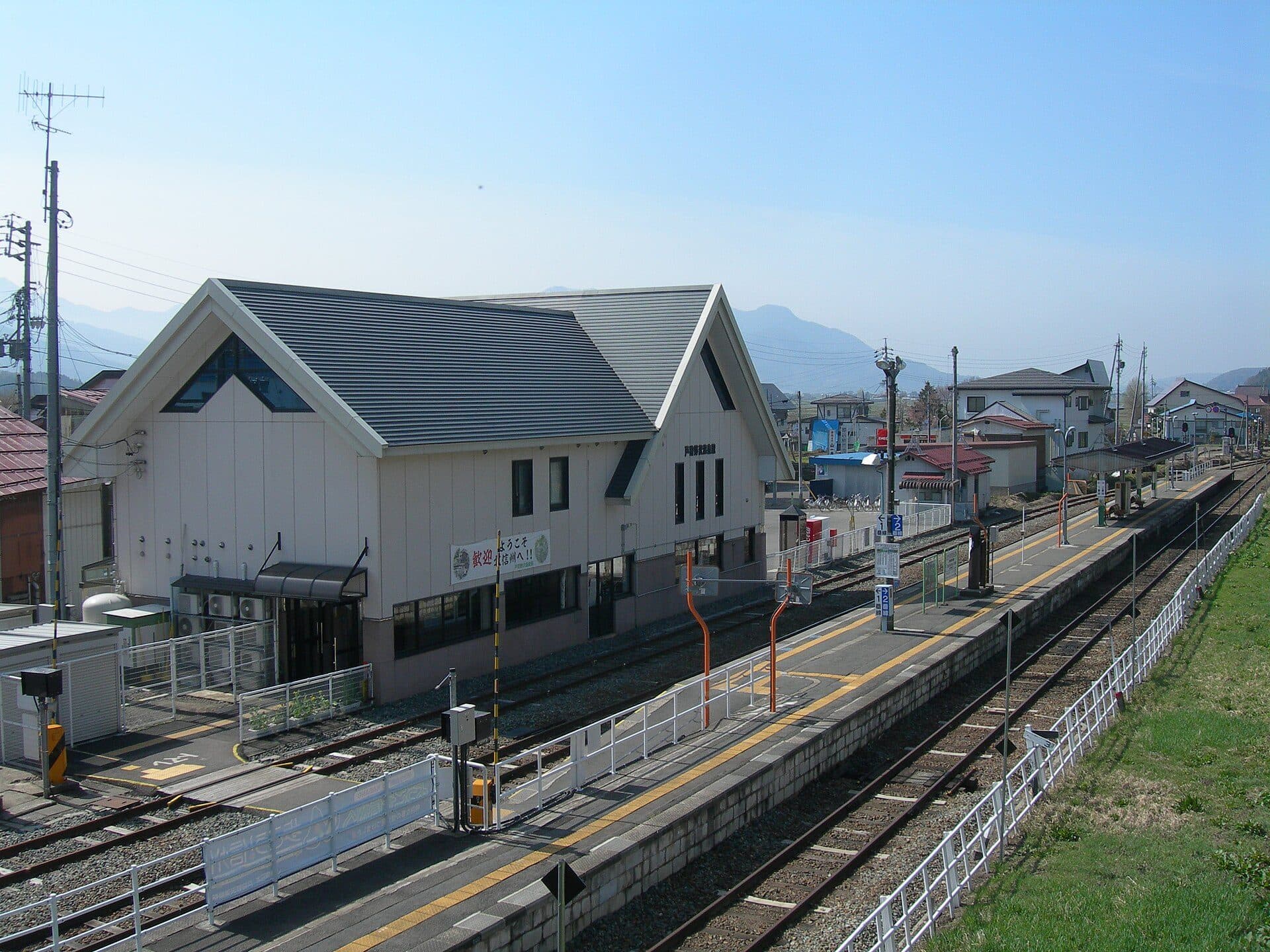
Board the Hokuriku Shinkansen at Tokyo Station (Ueno works too) and make sure the departure board says Hakutaka. Around 100 minutes later you step off at Iiyama, a small, calm station a world away from the scrum at Nagano. If you've done the Hakuba run, this is the same line — you just stay on it a little longer and get off one stop further into the snow country.
Winter practicalities are the usual ones. Reserve a seat in ski season rather than gambling on the unreserved cars, and if you're travelling with a ski or snowboard bag, sort the oversized-luggage arrangement when you book — some services want a specific luggage-area reservation, and the platform is a bad place to find that out. None of this is unique to Nozawa, but on a route this short the admin is the only part you can actually get wrong.
Step 2: the Nozawa Onsen Liner from Iiyama
At Iiyama the handover is about as gentle as Japanese ski transit gets. The Nozawa Onsen Liner leaves from directly outside the station, the departures are timed around Shinkansen arrivals as of the 2025–26 season, and the ride up to the village takes roughly 25 minutes. Luggage goes in the hold, and the bus drops you in the village where most accommodation is a short walk or a quick shuttle away.
- Nozawa Onsen Liner — the default. Around 25 minutes, timed to the trains, no changes. For nearly everyone this is the answer.
- Private transfer or taxi — door to door from Iiyama, useful with small kids, lots of gear, or a late arrival outside the bus schedule. More expensive, marginally faster.
- Rental car — genuinely not recommended here. The village is tagged no-car in our data for a reason: the streets are narrow, the baths and restaurants are on foot, and the car would sit in a snowbank all week.
That last point is worth taking seriously, because it changes how you should think about the whole trip. Nozawa isn't a resort you commute to from a base town — the village is the base, the lifts rise straight out of it, and everything you'll want in the evening is within walking distance. Arriving by train and bus isn't the budget option here; it's the correct one.
What you're arriving into
It helps to know what's at the top of that bus ride, because Nozawa's character shapes a few practical choices. The resort covers 300 hectares with 36 runs off a 1,085m vertical — base at 565m, summit at 1,650m — and the terrain splits roughly 40% beginner, 30% intermediate and 30% advanced, which is friendlier to mixed groups than its powder reputation suggests. The season runs long for Honshu, mid-December to early May in the data, and the snowfall is a Hokkaido-grade 12m a season.
Then there's the village itself: a working hot-spring town over a millennium old, with 13 free public bathhouses scattered through the streets. This is the best-preserved ski-town atmosphere in Japan, and it's the reason Nozawa tops our best onsen ski resorts ranking. Pack accordingly — you'll spend as many memorable hours in the baths and the lanes as on the hill.
Two more resorts off the same station
Iiyama is quietly one of the best-value Shinkansen stops in Japanese skiing, because Nozawa isn't the only mountain it serves. Madarao Kogen runs its own shuttle from the same station — 28 runs, the same 12m of snow a season, and more tree runs than any other resort in Japan. It's a smaller hill with a 440m vertical, but on a storm day the trees there are the kind of skiing people fly across the world for.
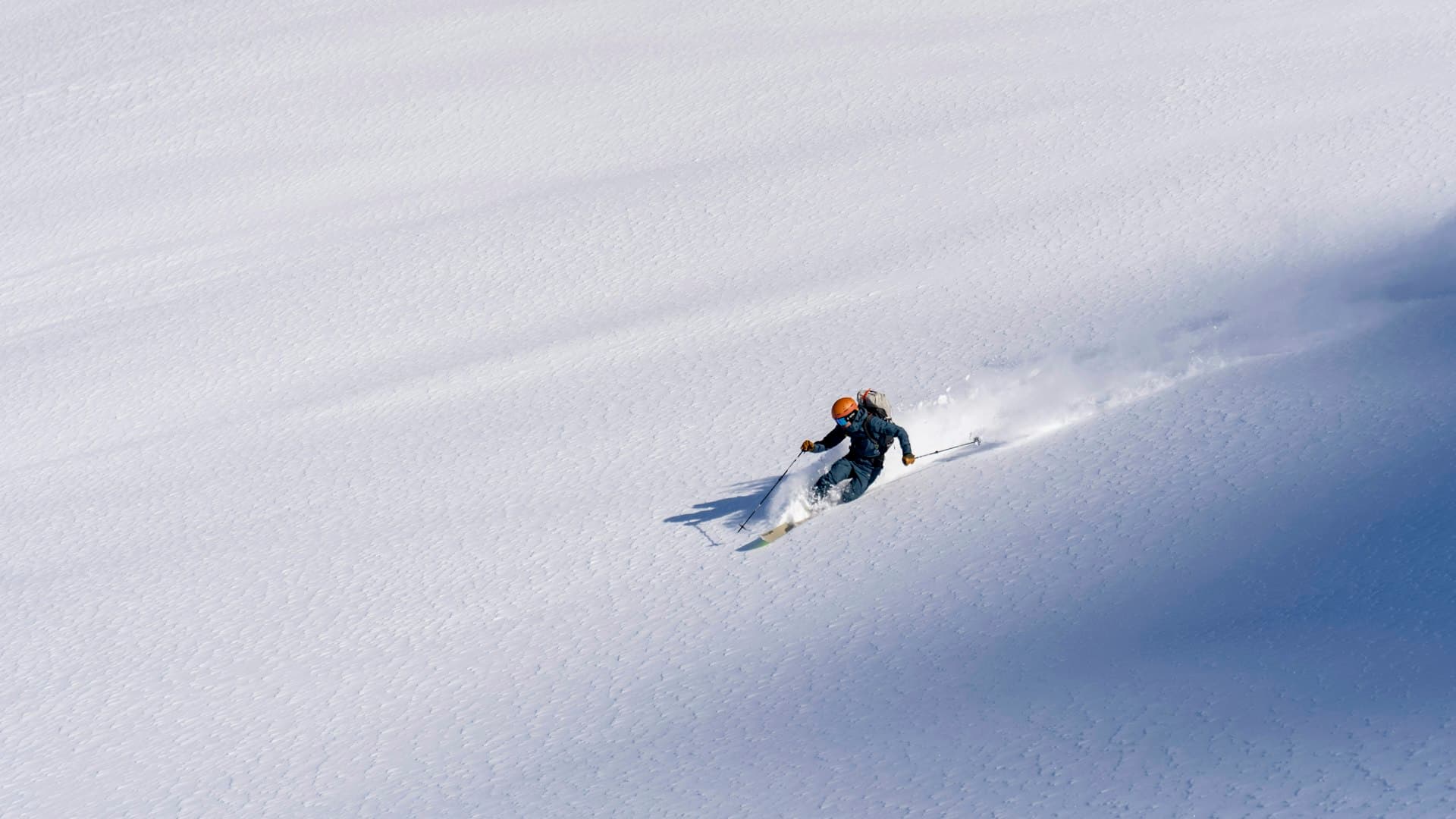
Across the valley from Nozawa sits Togari Onsen — 13 varied courses over a 650m vertical, its own quiet onsen village at the base, and night skiing on Saturday evenings. It sees less snow than its neighbours at around 8m a season, but as a quiet change of pace from a Nozawa week it earns its spot. Both mountains mean a multi-resort trip out of one station with no car and no repacking.
And if you want to bolt on something bigger, Shiga Kogen — Japan's largest resort at 85 runs across 18 interconnected areas on one ticket — is reached from Nagano Station, one Shinkansen stop back down the same line. A Nozawa-plus-Shiga itinerary covers the intimate village and the giant ski circus in a single trip, all on rails and buses.
What to do next
Book in this order: a Hakutaka-service Shinkansen seat from Tokyo to Iiyama first — check the train name, not just the time — then plan for the Nozawa Onsen Liner on the other end, which is timed to meet the trains. Confirm where your accommodation sits in the village so you know whether to walk or grab the last short hop. Then read up on what you're getting into: the Nozawa Onsen page has the full mountain breakdown, Madarao Kogen is the storm-day side quest off the same station, and our best onsen ski resorts guide explains why this village is the benchmark the others get measured against.