The short version
- Nozawa Onsen is the best overall ski-and-onsen trip in Japan.
- Zao Onsen has the most dramatic winter atmosphere — sulfur springs and snow monsters.
- Myoko Akakura pairs deep snow with an old-school hot spring base.
- Shiga Kogen plus Yudanaka or Shibu Onsen is the biggest ski area + traditional onsen combo.
- Kusatsu Onsen and Manza Onsen are the picks when soaking matters more than terrain.
A great Japan ski trip is not just about the snow.
It is the rhythm of the day: cold chairlifts, quiet forests, tired legs, hot ramen, then a long soak in mineral water while snow falls outside.
That is what makes Japan different. Plenty of countries have good skiing. Very few pair it with hot spring towns, ryokan stays, public bathhouses, mountain food and that slow post-ski feeling Japan does so well.
This guide is built for one question: where should you ski in Japan if the onsen experience matters as much as the mountain?
Quick answer
For the best overall ski-and-onsen trip, choose Nozawa Onsen.
For the most dramatic winter atmosphere, choose Zao Onsen.
For deep snow plus a proper hot spring base, choose Myoko Akakura.
For a big ski area with historic onsen towns nearby, choose Shiga Kogen with Yudanaka or Shibu Onsen.
For the strongest “onsen first, skiing second” experience, look at Kusatsu Onsen or Manza Onsen.
For easy access from Tokyo, choose the Yuzawa area — GALA Yuzawa, Naeba and Kagura.
What makes a great onsen ski resort?
A good onsen ski resort is not just a ski area with one bath in a hotel. The best ones usually have:
- A real hot spring town or ryokan culture.
- Public baths or day-use onsen options.
- Accommodation with private or shared hot spring baths.
- Good food within walking distance.
- A mountain that is worth skiing for more than one day.
- Enough atmosphere that the trip still feels special after the lifts close.
Some resorts are better for skiing. Some are better for soaking. The best choice depends on whether you want the mountain to be the main event, or the full winter village experience.
Best overall onsen ski resorts in Japan
1. Nozawa Onsen, Nagano
- Best for: the classic Japan ski-and-onsen trip.
- Onsen feel: traditional, walkable, atmospheric.
- Go here if: you want skiing, hot springs and village life in one place.
Nozawa Onsen is the easiest answer.
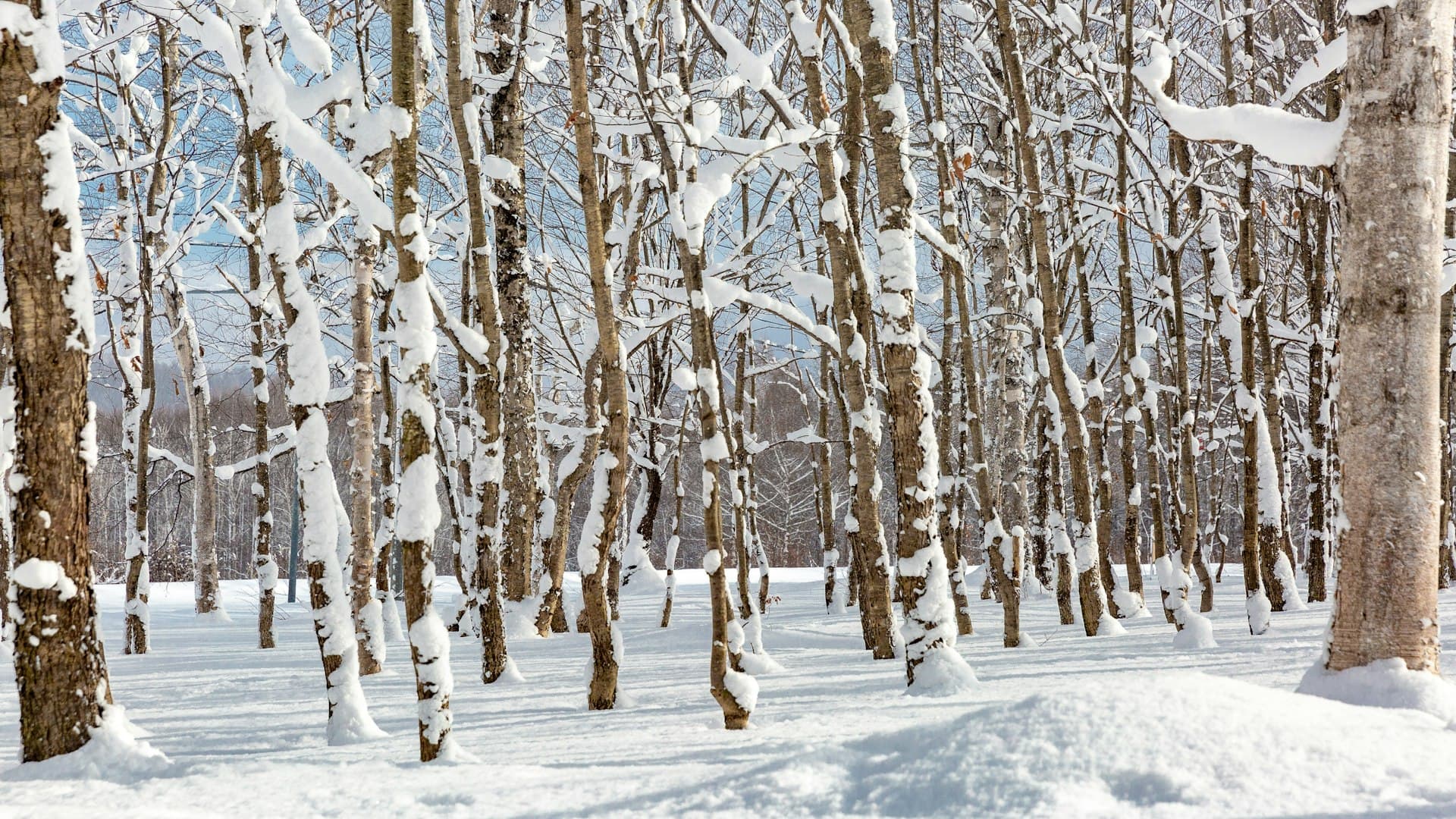
It is one of the rare places where the ski resort and the hot spring village feel completely connected. You ski during the day, walk back through narrow village streets, eat dinner nearby, then soak in one of the local bathhouses before bed.
The village has a proper lived-in feeling. It does not feel like a resort built only for tourists. Steam rises from the streets, ryokan sit beside small restaurants, and the public bathhouses give the whole town a slower rhythm.
The skiing is strong enough for a full trip too. Nozawa has long runs, good snow, tree areas, beginner terrain, steeper zones and enough variety for mixed groups. It is not the deepest powder resort in Japan every single week, but as a complete winter destination, it is one of the best in the country.
The main thing to know: the local baths can be very hot. For first-timers, ease in slowly and do not treat it like a normal hotel spa.
2. Zao Onsen, Yamagata
- Best for: dramatic atmosphere, sulfur hot springs, snow monsters.
- Onsen feel: steamy, old, deeply wintery.
- Go here if: you want one of Japan's most memorable ski-town settings.
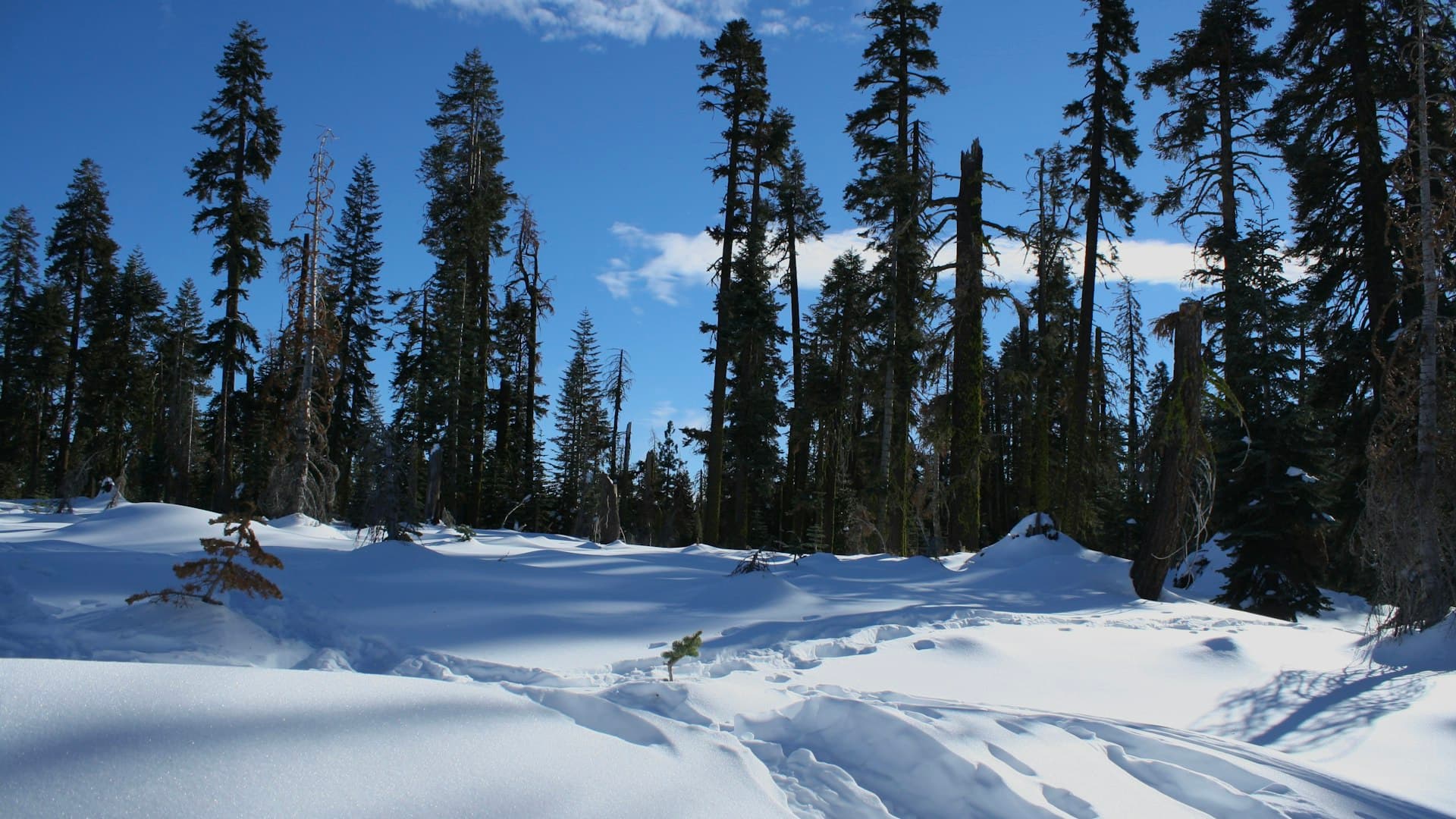
Zao Onsen feels different from almost everywhere else.
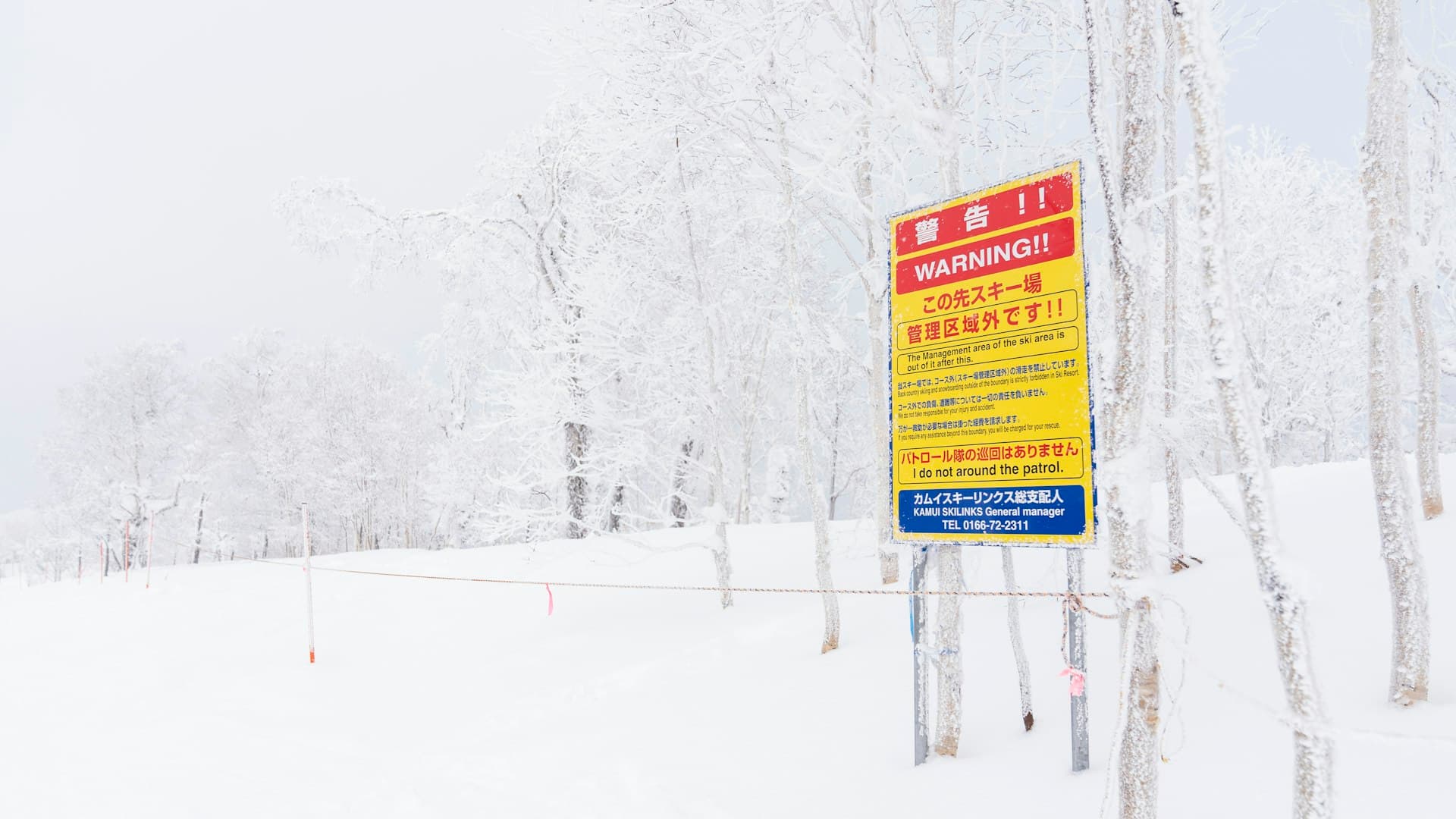
The town is famous for strong sulfur hot springs and its winter “snow monsters” — trees coated in heavy rime ice near the upper mountain. On the right day, skiing here feels almost unreal: fog, frozen trees, sulfur steam, old ryokan, and a mountain that feels more mysterious than polished.
The ski area is large enough to explore properly, with long runs and good intermediate terrain. It is not the easiest resort for a first Japan ski trip, and English support is generally less frictionless than places like Niseko or Hakuba. But if you want atmosphere, Zao is one of the strongest choices in Japan.
Zao is especially good for travellers who care about the feeling of the place. It is not just “skiing with a bath after.” The whole town is shaped by the hot springs.
3. Myoko Akakura, Niigata
- Best for: deep snow, old-school onsen town, powder-focused trips.
- Onsen feel: historic, snowy, practical.
- Go here if: you want powder skiing with a real hot spring base.
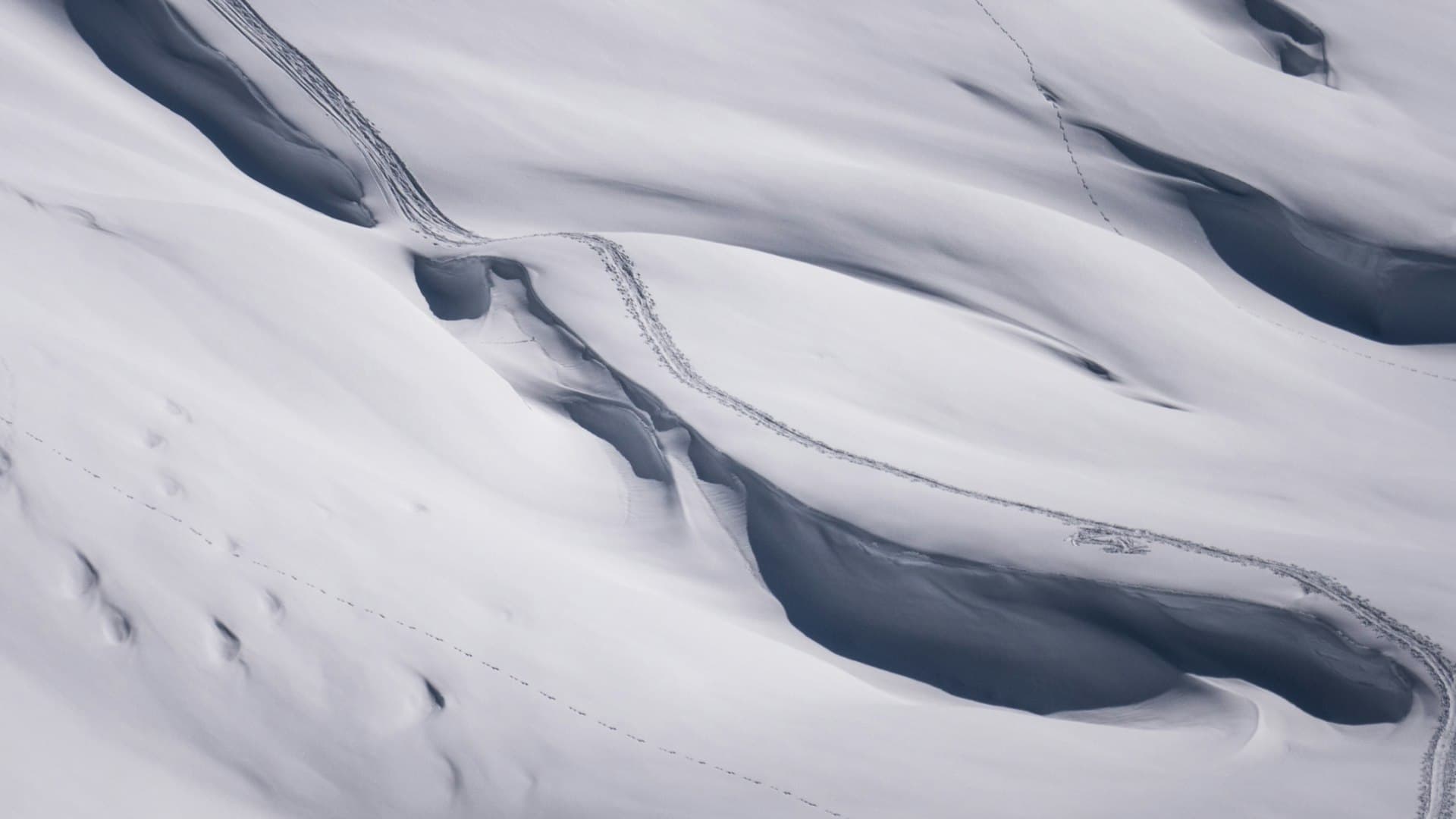
Myoko is one of Japan's best choices if you want heavy snowfall and onsen culture together.
The Akakura area gives you access to ski resorts like Akakura Onsen and Akakura Kanko, plus nearby options around Myoko Kogen. That makes it a strong base for people who want to chase snow across multiple mountains while still staying somewhere with hot spring history.
The town has more of an old-school Japanese snow-country feel than the big international resorts. It is less polished than Niseko and less postcard-perfect than Nozawa, but that is part of the appeal. When the snow is falling hard, Myoko feels like exactly where you should be.
This is a great pick for skiers who care about powder but do not want to lose the cultural side of the trip.
4. Shiga Kogen + Yudanaka / Shibu Onsen, Nagano
- Best for: big ski area, traditional ryokan stay, snow monkey side trip.
- Onsen feel: historic nearby towns rather than one compact ski village.
- Go here if: you want serious ski variety with a traditional onsen base.
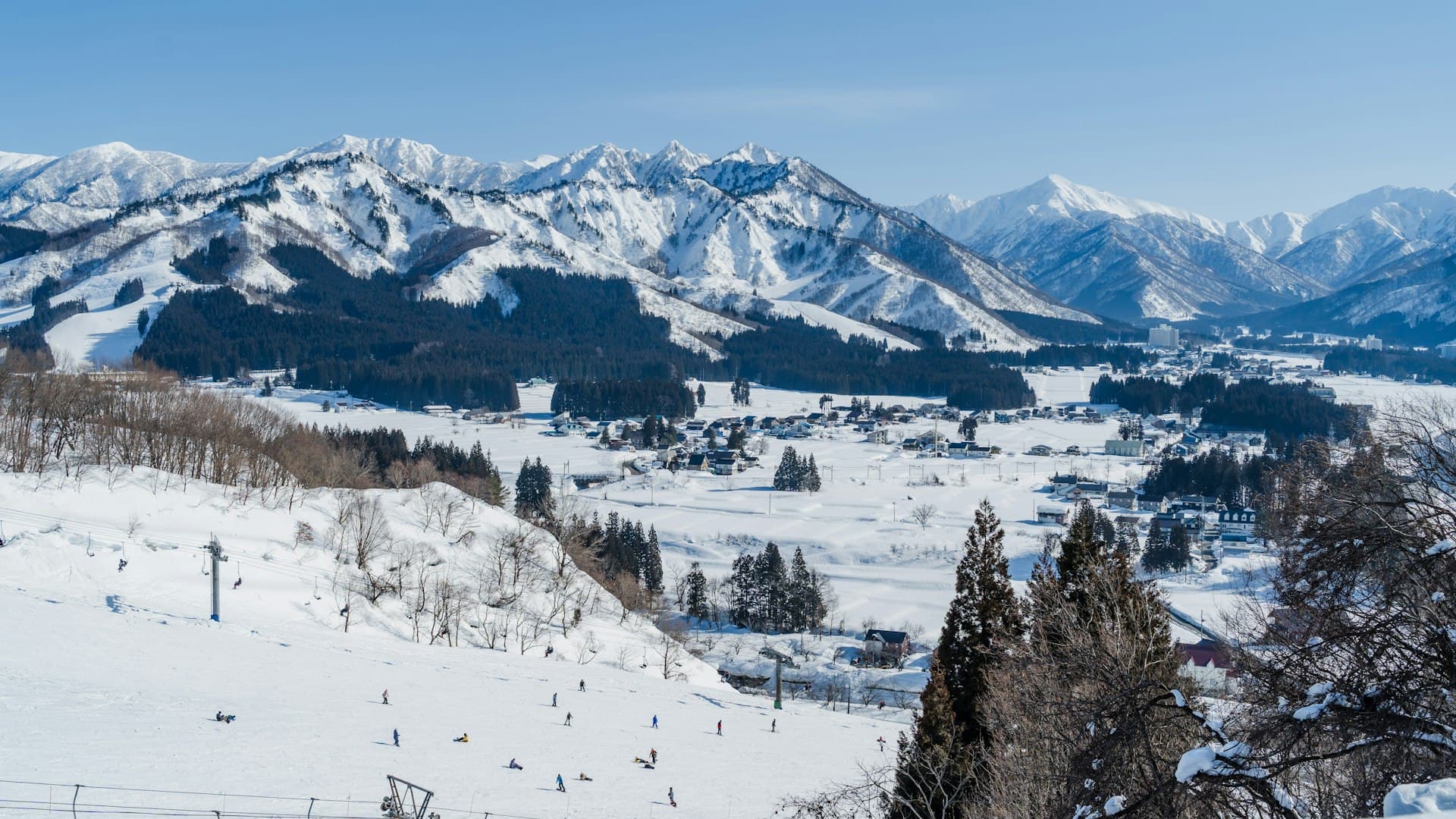
Shiga Kogen is one of Japan's biggest ski areas, but the onsen experience depends on how you plan the trip.
If you stay high on the mountain, the focus is mostly skiing. If you stay lower in Yudanaka or Shibu Onsen, the trip becomes much more cultural. You can ski Shiga Kogen during the day, then return to a traditional hot spring town at night.
This setup works especially well for travellers who want a quieter ryokan-style stay. Shibu Onsen has narrow streets, traditional inns and public bathhouse culture, while Yudanaka is practical for transport and accommodation.
The trade-off is convenience. You are not always walking straight from slope to bathhouse like in Nozawa. But if you want a bigger ski area and a deeper onsen-town experience nearby, this is one of the best combinations in Japan.
5. Kusatsu Onsen, Gunma
- Best for: world-class onsen first, casual skiing second.
- Onsen feel: famous, steamy, town-centred.
- Go here if: hot springs matter more than ski terrain.
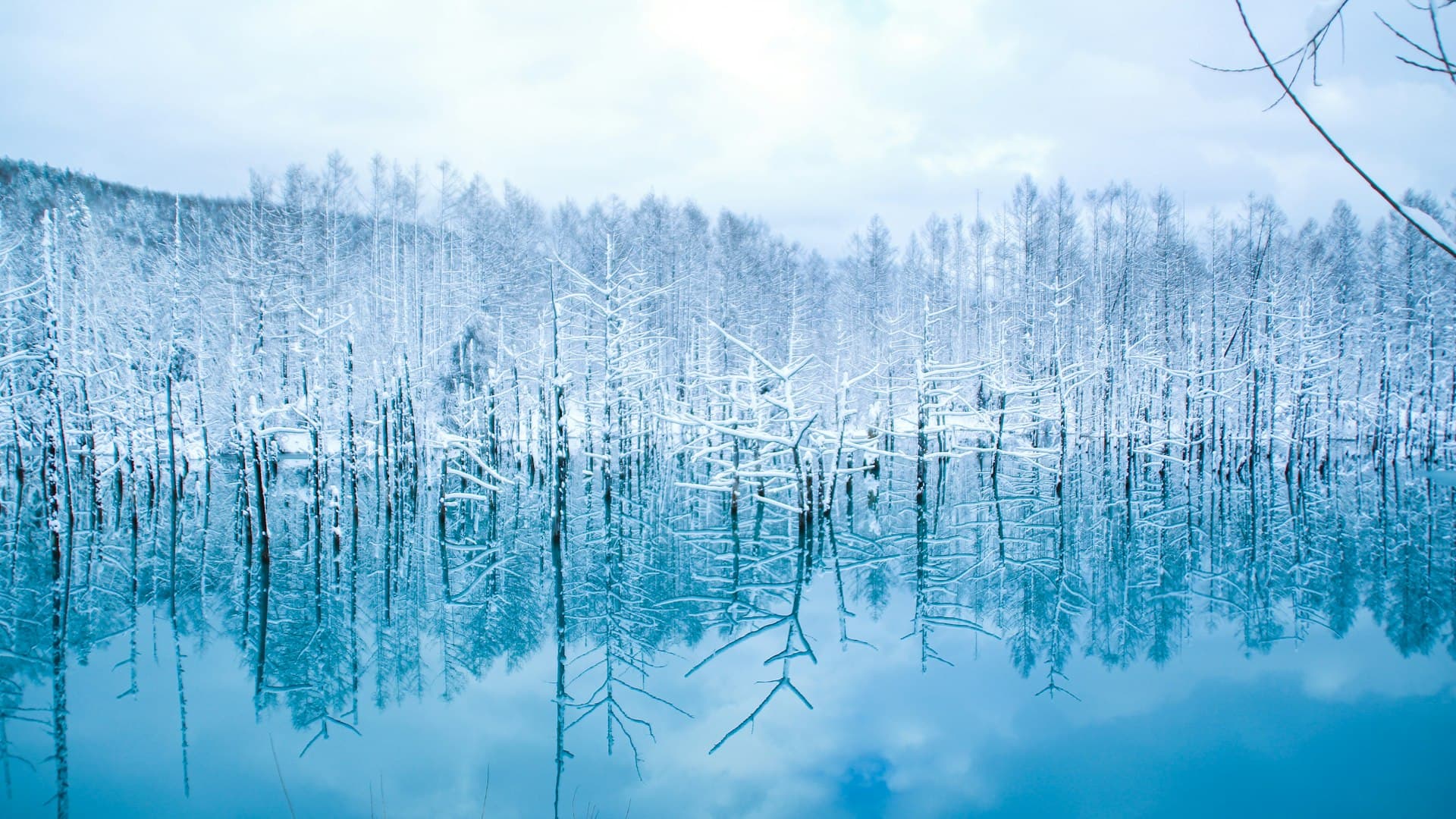
Kusatsu is one of Japan's great hot spring towns.
The centre of town is built around the Yubatake, a steaming hot spring field that gives Kusatsu its signature look and smell. At night, the town has a strong atmosphere: steam, lights, ryokan, small shops and people walking around in yukata.
The skiing is the secondary reason to come here. Kusatsu Onsen Ski Resort is convenient and fun for a relaxed day, but it is not the place to choose if you want huge terrain, deep powder missions or a serious ski-first holiday.
That does not make it a bad choice. It just means Kusatsu is best for travellers who want a winter onsen trip with skiing attached, not the other way around.
6. Manza Onsen, Gunma
- Best for: high-altitude hot springs, quiet soaking, remote winter feel.
- Onsen feel: mineral-heavy, snowy, isolated.
- Go here if: you want the bath to be the main event.
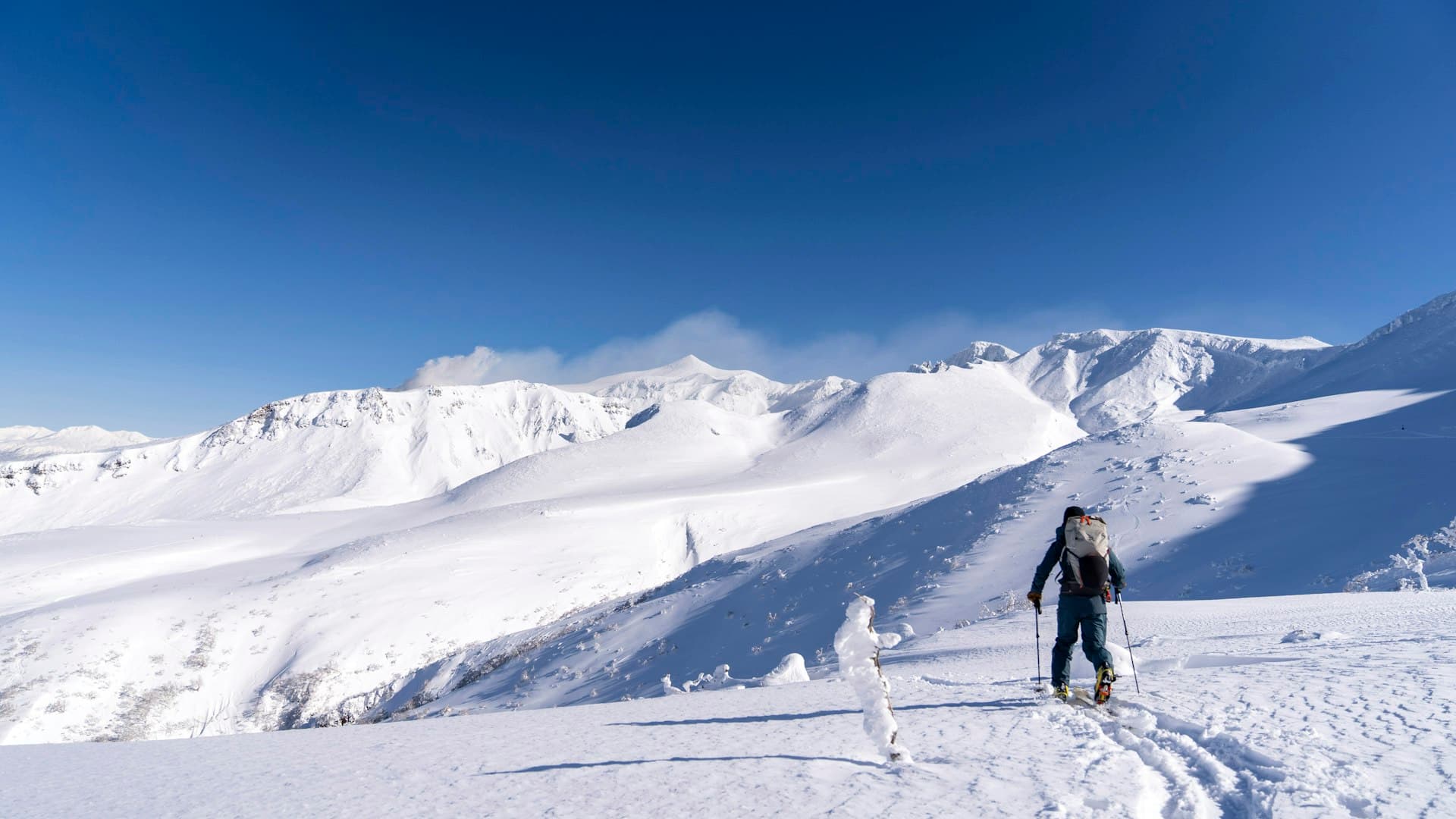
Manza Onsen is a wildcard.
It is high, remote and very onsen-focused. The ski area is compact compared with Japan's major resorts, but the hot spring setting is excellent. This is the kind of place you choose because you want snowy outdoor baths, mountain quiet and a slower winter stay.
For strong skiers, Manza will probably not be enough for a full ski-only trip. But for couples, onsen-focused travellers, or anyone who wants a peaceful winter reset, it can be a very good choice.
Manza is also a useful reminder that “best onsen ski resort” does not always mean “best ski resort.” Sometimes the skiing is there to give the day structure before the real highlight at night.
7. Echigo-Yuzawa / Yuzawa Resorts, Niigata
- Best for: Tokyo access, easy weekend trips, casual onsen stays.
- Onsen feel: convenient, accessible, varied.
- Go here if: you want a simple ski-and-soak trip from Tokyo.
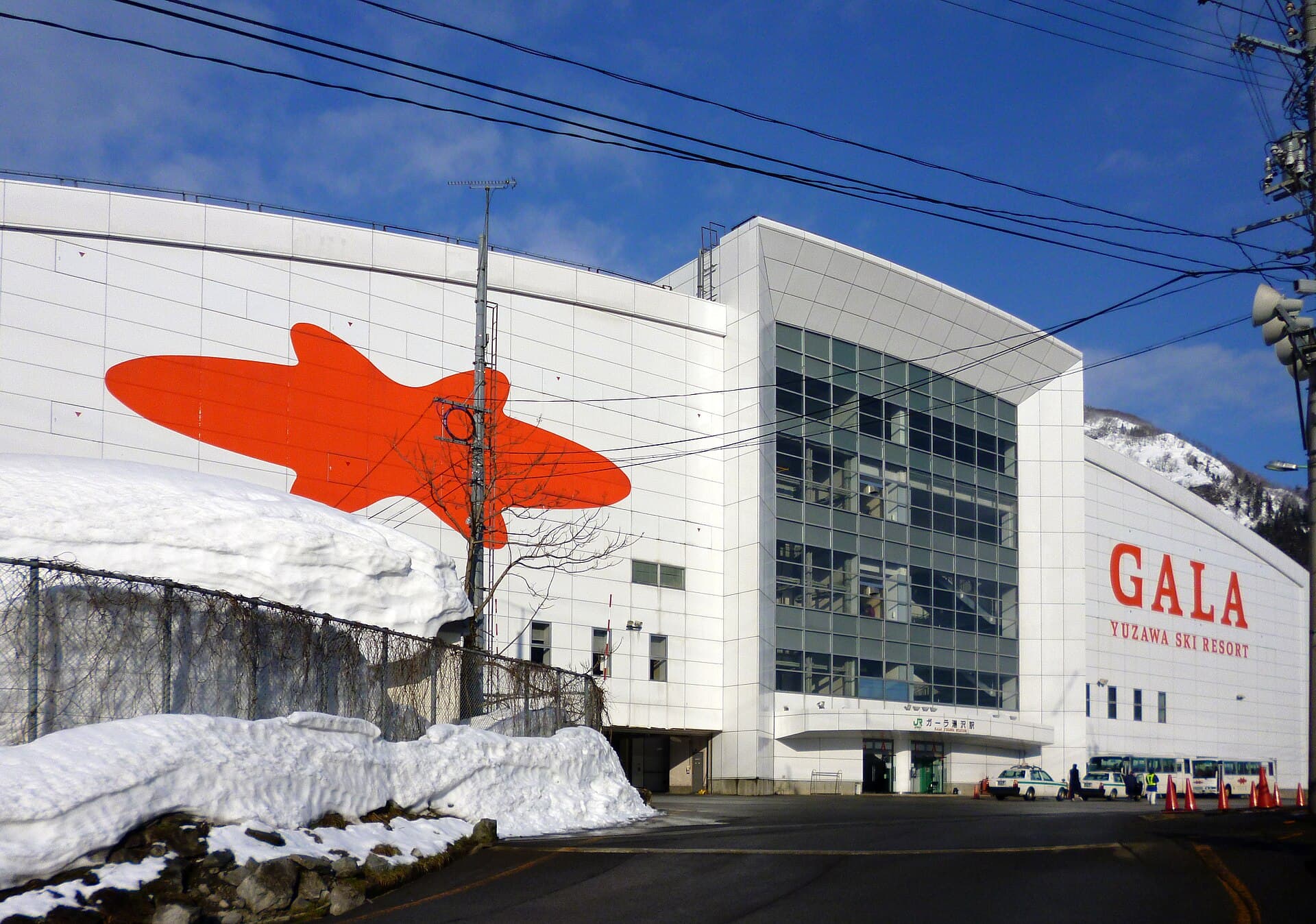
Yuzawa is one of the easiest ski-and-onsen areas to reach from Tokyo.
The town has many hotels and ryokan with hot spring baths, and the surrounding area gives you access to multiple ski resorts, including GALA Yuzawa, Iwappara, Kandatsu, Naeba and Kagura depending on how far you want to travel.
The main advantage is convenience. You can leave Tokyo by train and be in snow country quickly, which makes Yuzawa excellent for short trips, first-timers, or travellers who want skiing without committing to a remote mountain village.
It is not as charming as Nozawa or as dramatic as Zao, but it is very practical. For many people, that is exactly the point.
8. Lotte Arai Resort, Niigata
- Best for: resort comfort, deep snow, modern facilities.
- Onsen feel: polished, hotel-based, convenient.
- Go here if: you want powder and comfort without relying on a traditional village.
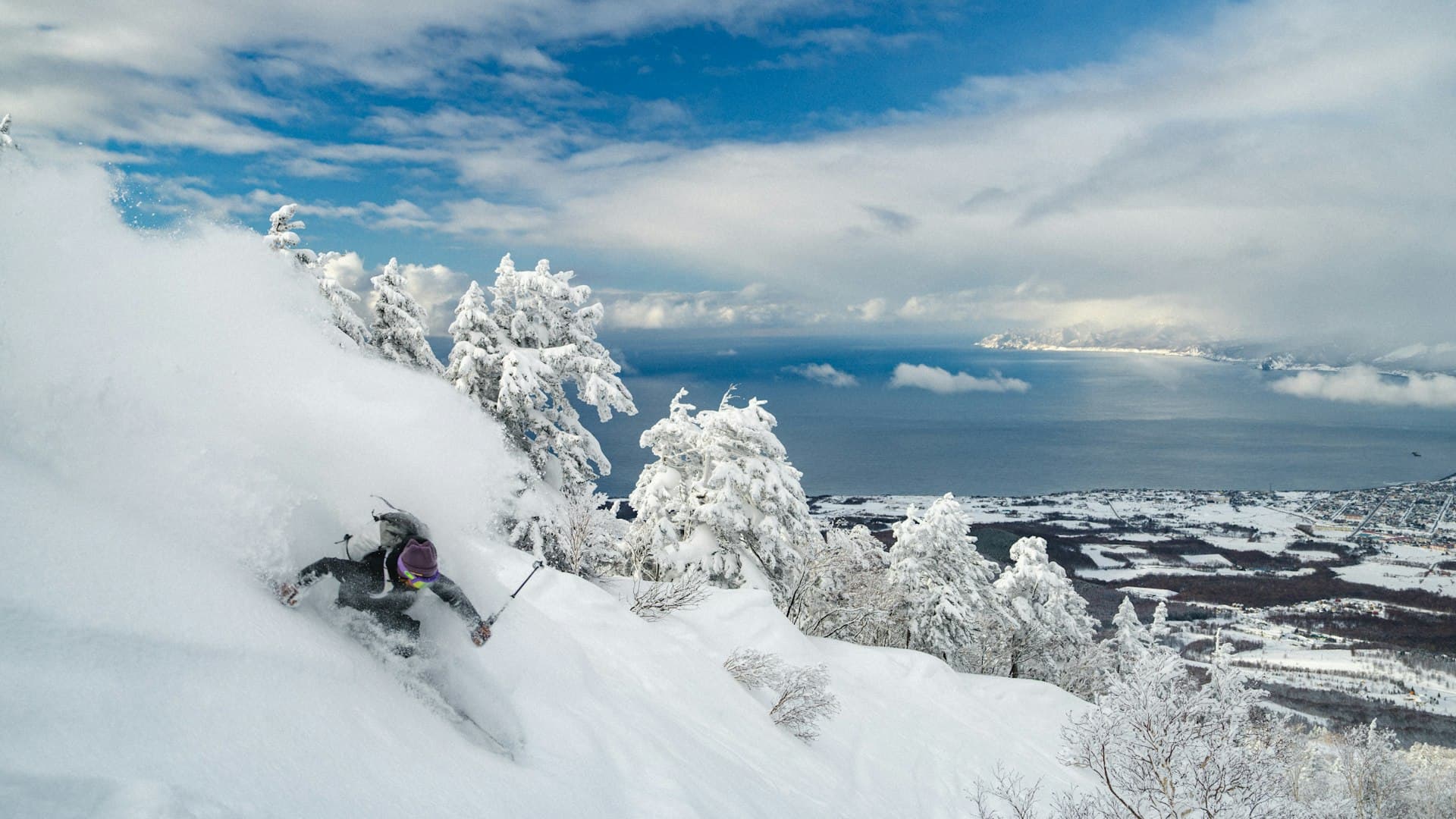
Lotte Arai is not a classic onsen town in the way Nozawa, Zao or Kusatsu are.
It is more of a modern resort complex with strong snow, hotel facilities, restaurants, spa options and hot spring access on site. That makes it a good option for travellers who want a comfortable stay without organising everything across a town.
The skiing can be excellent, especially for powder-focused riders. Arai is known for heavy snowfall and ungroomed zones, so it works well for skiers who want a more serious mountain experience but still want to end the day somewhere comfortable.
The trade-off is atmosphere. You do not get the same public bathhouse culture or village wandering. But for comfort, facilities and snow quality, it belongs on the list.
Best onsen ski resorts by traveller type
- Best overall ski-and-onsen trip — Nozawa Onsen. Strong skiing, real village, public bathhouse culture.
- Most atmospheric winter town — Zao Onsen. Sulfur springs, snow monsters, dramatic setting.
- Powder plus onsen — Myoko Akakura. Deep snow with a historic hot spring base.
- Big ski area plus ryokan stay — Shiga Kogen + Shibu / Yudanaka. Huge terrain with traditional onsen towns nearby.
- Onsen-first trip — Kusatsu Onsen. One of Japan's great hot spring towns.
- Quiet high-altitude soaking — Manza Onsen. Remote, mineral-rich, bath-focused.
- Easy from Tokyo — Yuzawa via GALA Yuzawa, Naeba or Kagura. Fast access and many nearby resorts.
- Modern comfort — Lotte Arai. Resort facilities, spa options and strong snow.
Best region for onsen skiing
Nagano
Nagano is probably the best all-round region for ski-and-onsen trips.
Nozawa Onsen gives you the classic village experience. Shiga Kogen can pair with Yudanaka or Shibu Onsen. Hakuba also has hot spring options, though it feels more like a ski valley with onsen access than a true onsen town.
Choose Nagano if you want the best balance of skiing, culture and atmosphere.
Niigata
Niigata is excellent if you want snow, easy access and practical onsen stays.
Myoko gives you the strongest powder-and-onsen combination. Yuzawa is the easiest from Tokyo. Arai gives you the modern resort version.
Choose Niigata if you want heavy snow and convenient hot spring accommodation.
Yamagata
Yamagata's standout is Zao Onsen.
It is not the simplest destination, but it has one of the strongest identities of any ski town in Japan. The combination of sulfur springs, snow monsters and old hot spring atmosphere makes it special.
Choose Yamagata if you want a trip that feels different from the obvious Hokkaido and Nagano routes.
Gunma
Gunma is best for onsen-first travellers.
Kusatsu and Manza are both famous hot spring destinations with skiing nearby. They are not the best choices for a serious powder-only trip, but they are excellent if the bath, ryokan and winter town atmosphere are the priority.
Choose Gunma if soaking matters more than ski terrain.
Hokkaido vs Honshu for onsen ski trips
Hokkaido has excellent snow and plenty of hotel onsens, especially around places like Niseko, Rusutsu and Furano.
But for classic onsen-town culture, Honshu is usually stronger.
If you want the full image of Japan skiing — narrow streets, ryokan, public baths, snow falling through town, and a soak after dinner — places like Nozawa, Zao, Myoko, Shibu and Kusatsu are hard to beat.
Choose Hokkaido for snow reliability. Choose Honshu for the deeper onsen-town feeling.
Onsen etiquette for skiers
If this is your first time using an onsen in Japan, the basics are simple:
- Wash thoroughly before entering the bath.
- Do not put your towel in the water.
- Do not wear swimwear unless the facility specifically allows it.
- Tie up long hair so it does not touch the water.
- Enter slowly, especially if the bath is very hot.
- Keep your voice low.
- Dry off before returning to the changing room.
Private onsen vs public bathhouses
A public bathhouse gives you the most traditional experience. It is cheaper, more local and more memorable, but it can feel intimidating the first time.
A hotel or ryokan onsen is easier. It is usually calmer, cleaner-feeling for first-timers, and more comfortable if you are nervous about etiquette.
A private onsen is best for couples, families, tattoo concerns or anyone who wants the experience without sharing a bath with strangers.
For a first Japan ski trip, staying somewhere with an in-house onsen is the easiest move. You can still try public baths once you feel comfortable.
Final recommendation
If you want the best overall onsen ski resort in Japan, choose Nozawa Onsen.
It has the rare balance: strong skiing, a real village, traditional bathhouses, great winter atmosphere and enough terrain for a proper trip.
- Choose Zao Onsen if you want the most dramatic setting.
- Choose Myoko Akakura if you want deep snow and an old-school hot spring base.
- Choose Shiga Kogen with Shibu or Yudanaka if you want a huge ski area and a traditional ryokan stay.
- Choose Kusatsu or Manza if the onsen matters more than the skiing.
- Choose Yuzawa if you want the easiest ski-and-soak trip from Tokyo.
Japan has better-known powder resorts and bigger ski areas, but the onsen resorts are what make a winter trip feel properly Japanese. Ski hard, eat well, soak slowly — that is the version of Japan skiing people remember.