The short version
- Happo-One Hakuba is the strongest all-round Japan backcountry base for experienced skiers.
- Niseko United is the easiest first-time Japan backcountry trip — gates, powder, developed base.
- Hakkoda Ropeway and Asahidake Ropeway are the serious wild-feeling picks.
- Seki Onsen is the old-school storm-day cult resort.
- Gassan is the outlier — a spring backcountry rhythm, not a mid-winter powder trip.
Japan backcountry is not what most skiers expect — lift-served side gates and ropeway access mean a fraction of the effort for some of the deepest snow on earth.
But that does not make it casual.
The best backcountry resorts in Japan sit in a strange middle zone. Some feel like full ski resorts with gates and patrol culture. Some feel closer to wild mountain access with a lift attached. Some are famous because they are convenient. Others are famous because they are not.
This guide is built for one question: which Japan ski resorts give you the best access to serious backcountry skiing?
Quick answer
For the strongest all-round backcountry base, start with Happo-One Hakuba, Niseko United and Hakkoda Ropeway Ski Area.
For deep Hokkaido powder with sidecountry access, Niseko United, Niseko Annupuri and Asahidake Ropeway are the main picks.
For serious ropeway-accessed terrain with a wilder feel, Hakkoda Ropeway Ski Area and Asahidake Ropeway are the clearest answers.
For Nagano backcountry character, Happo-One Hakuba, Ontake 2240 Ski Resort, Norikura Kogen Ski Area and Senjojiki Ski Area all deserve attention.
For old-school, storm-day character, Seki Onsen Ski Area is the one to look at.
For spring-oriented backcountry trips, Gassan Ski Resort has a very different rhythm from the mid-winter powder resorts.
What makes a backcountry resort?
A good backcountry resort is not just a resort with trees nearby. It needs access, terrain character, a serious mountain feel and enough structure that you can build a proper trip around it. The best ones give you a clean link between lifts, gates, ropeways or alpine access and terrain that feels meaningfully different from normal resort skiing.
Look for:
- Clear access to sidecountry, ropeway terrain or touring zones.
- A resort culture that takes off-piste skiing seriously.
- Terrain that rewards experienced skiers, not just casual powder laps.
- A good base for hiring guides or joining local backcountry trips.
- Enough storm-day flexibility to avoid wasting bad-visibility days.
- Terrain variety across trees, bowls, alpine zones or volcanic slopes.
- A realistic travel plan for avalanche gear, luggage and weather delays.
- A clear understanding of what is controlled resort terrain and what is not.
The best backcountry resort is the one that matches your skill, decision-making and risk tolerance. Not the one with the most dramatic photos.
Best overall backcountry resorts in Japan
1. Happo-One Hakuba, Nagano
- Best for: strong skiers who want serious alpine access from a major resort base.
- Backcountry feel: steep, exposed, high-consequence.
- Go here if: you want the biggest-mountain feel in Nagano and you know this is not beginner terrain.
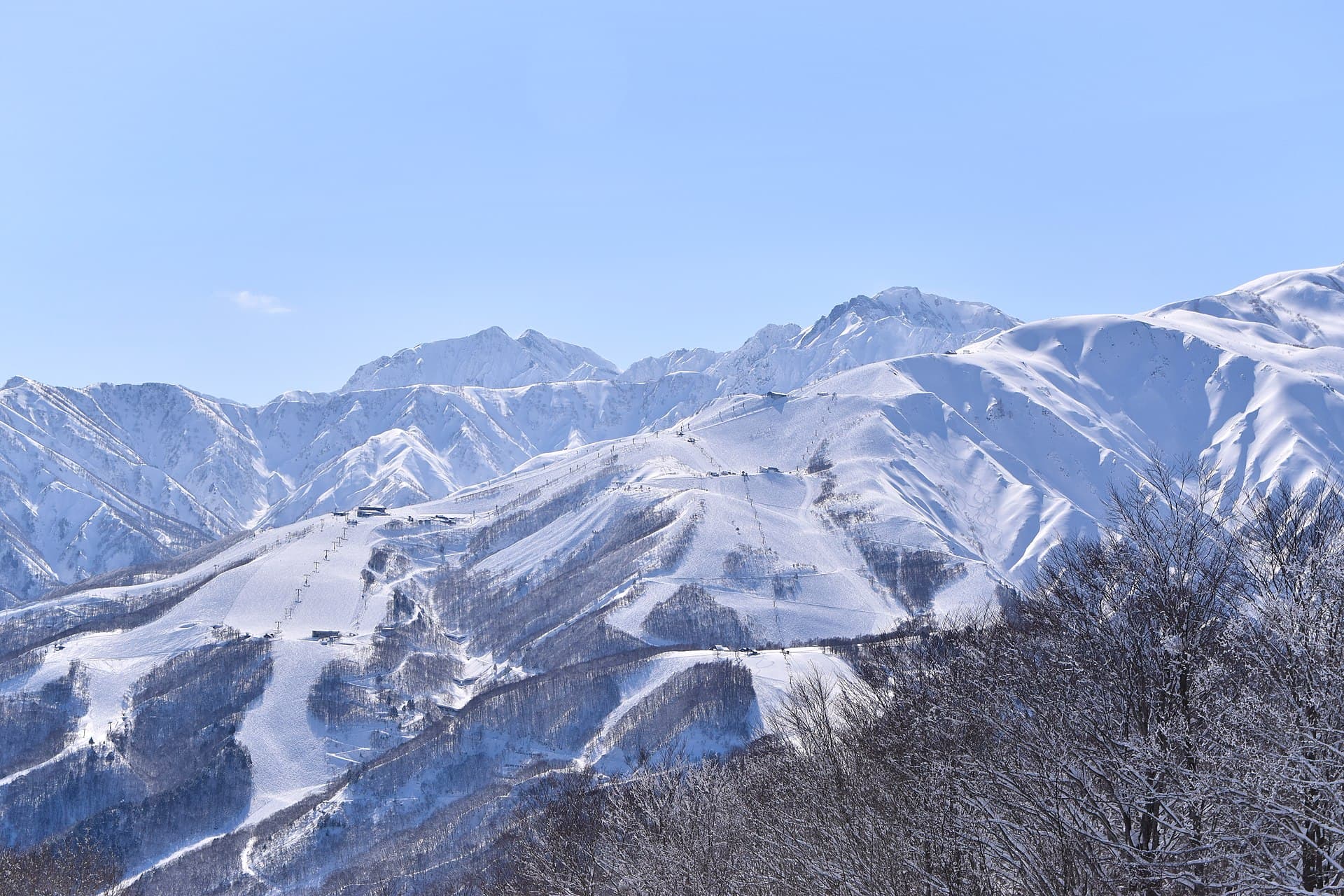
Happo-One Hakuba is the headline Nagano backcountry pick.
It has the mountain presence people imagine when they think of Hakuba. The appeal is not just powder. It is terrain. Happo-One suits skiers who want a proper alpine feel, with bigger lines, more exposure and a stronger sense that the mountain needs respect.
That is also the trade-off. This is not the easiest backcountry choice in Japan. It is not the place to casually follow tracks and hope the day works out. Weather, visibility and route choice matter here.
For experienced skiers, that seriousness is the reason to go. For newer off-piste skiers, it is a reason to slow down and hire support.
2. Niseko United, Hokkaido
- Best for: first-time Japan backcountry travellers who want gates, powder and a developed ski base.
- Backcountry feel: accessible, busy, powder-focused.
- Go here if: you want strong sidecountry access without giving up resort convenience.
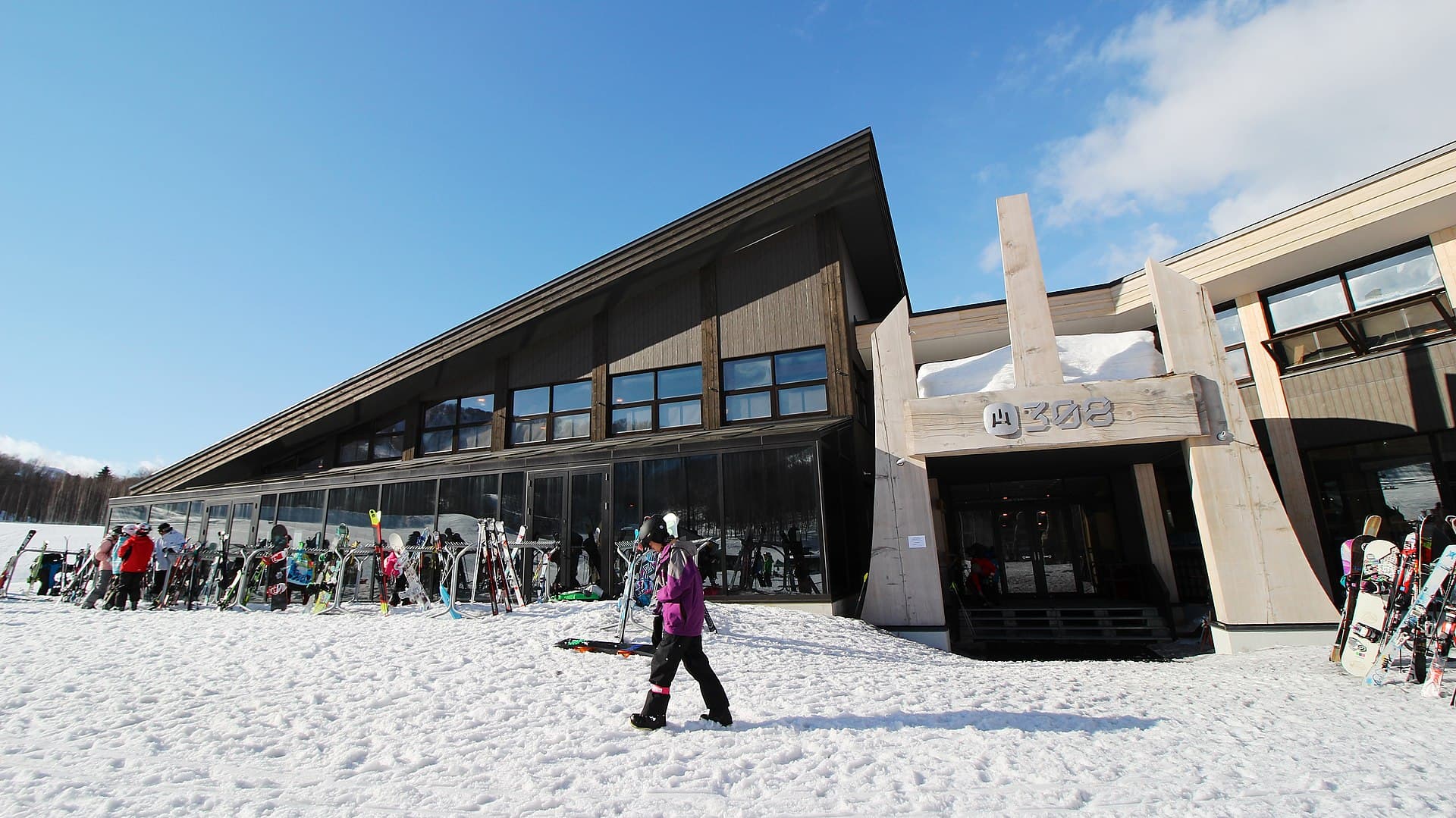
Niseko United is the most obvious backcountry gateway in Japan.
That does not make it overrated. It means the system is easier to understand. You get a developed resort environment, a big international ski culture, and backcountry access that fits naturally into a normal ski holiday.
For many skiers, this is the best first Japan backcountry trip. You can build confidence, hire guides, learn the snowpack, and still have enough resort structure around you when conditions do not line up.
The trade-off is popularity. Niseko United is not the quiet hidden answer. If you want solitude and raw mountain atmosphere, other resorts on this list will fit better.
3. Hakkoda Ropeway Ski Area, Tohoku
- Best for: experienced skiers who want wild ropeway-accessed terrain.
- Backcountry feel: remote, stormy, serious.
- Go here if: you want a backcountry trip that feels less like a resort holiday and more like a mountain objective.
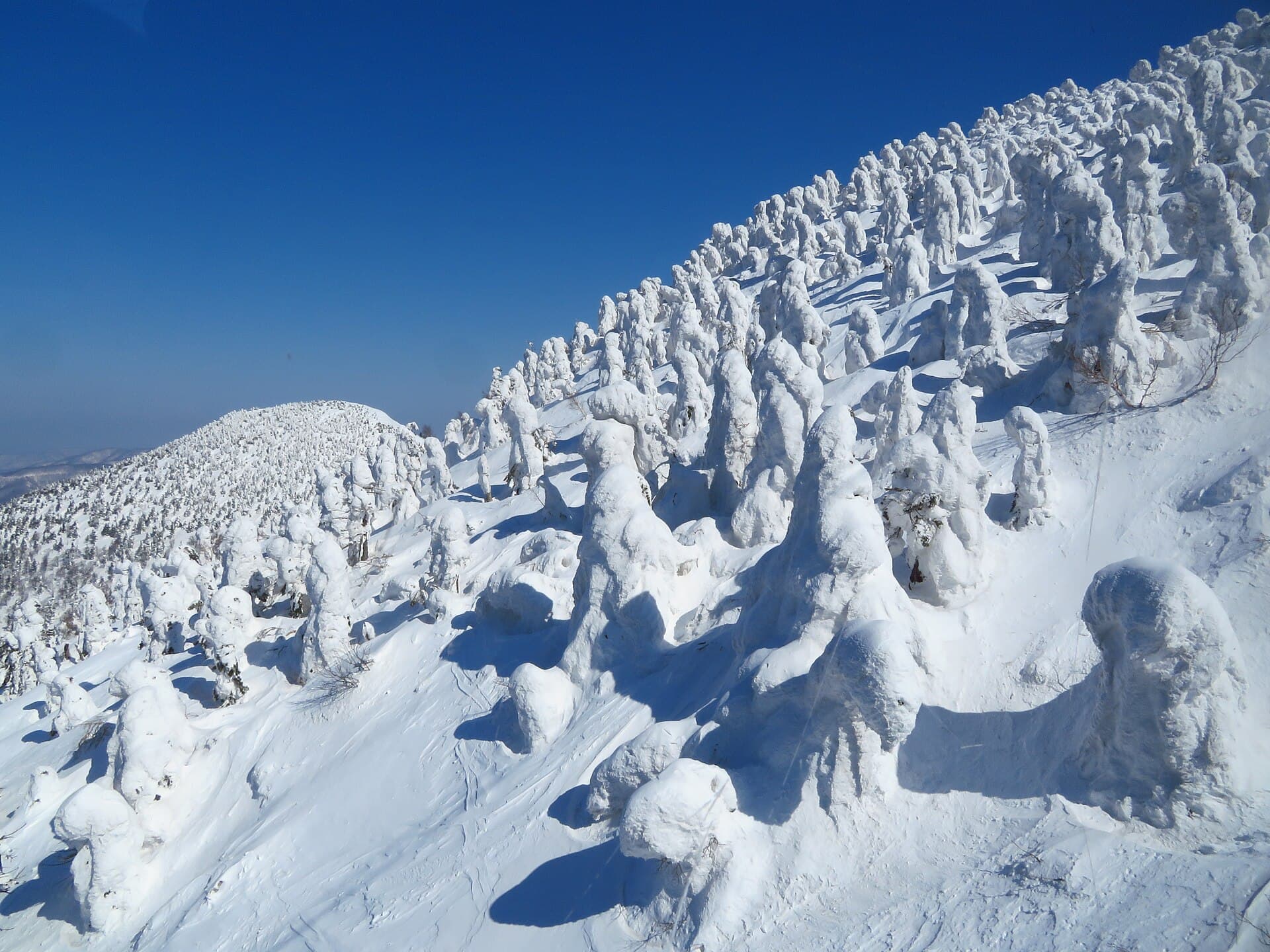
Hakkoda Ropeway Ski Area is one of Japan's clearest serious-backcountry resorts.
The ropeway access is the key. It gives you a direct line into terrain that can feel much wilder than a normal resort day. That is the attraction, but it is also the warning.
Hakkoda is not about polished resort laps. It is about mountain judgement, route choice and weather awareness. Visibility can change the entire character of the day, and the terrain demands more respect than a casual powder run.
The reward is character. Hakkoda feels different from the bigger-name resort zones. It is less about convenience and more about the mountain itself.
4. Asahidake Ropeway, Hokkaido
- Best for: advanced skiers who want volcanic terrain and a raw Hokkaido backcountry feel.
- Backcountry feel: volcanic, exposed, wild.
- Go here if: you want a mountain-focused trip and you are not expecting a normal resort experience.
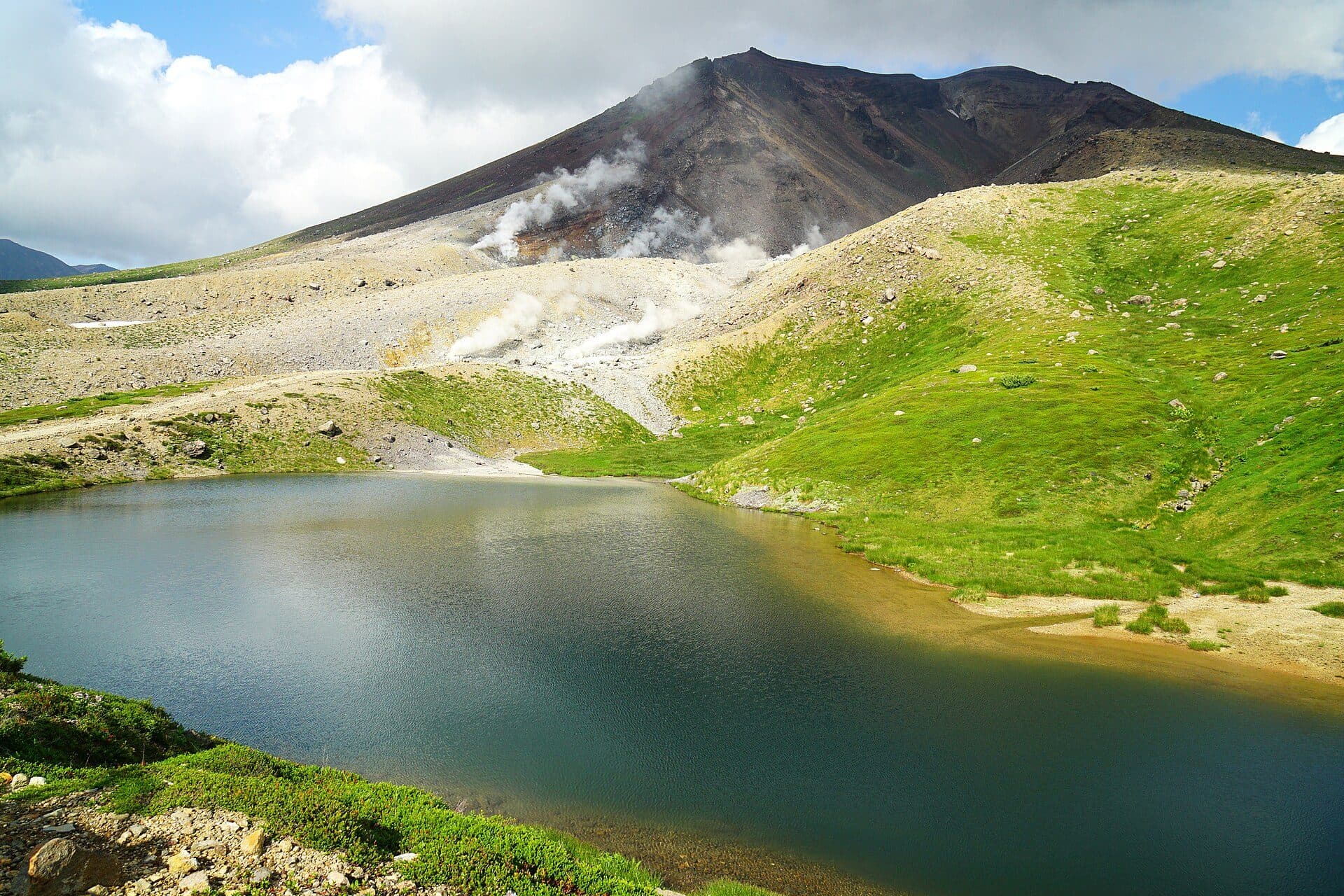
Asahidake Ropeway is one of the most distinctive ski areas in Japan.
It is not a classic resort in the comfortable sense. The appeal is the ropeway, the volcanic setting and the feeling that you are stepping into a much less managed mountain environment.
That makes it powerful for experienced backcountry skiers. It also makes it a poor fit for anyone who wants a simple lift-served powder holiday. You need to treat the place with caution and plan around conditions.
Asahidake is best when you understand what it is. It is not a polished family resort. It is a serious mountain access point.
5. Niseko Annupuri, Hokkaido
- Best for: skiers who want a quieter Niseko-side backcountry feel.
- Backcountry feel: softer, snowy, practical.
- Go here if: you like the Niseko snow culture but want a slightly calmer base feel.
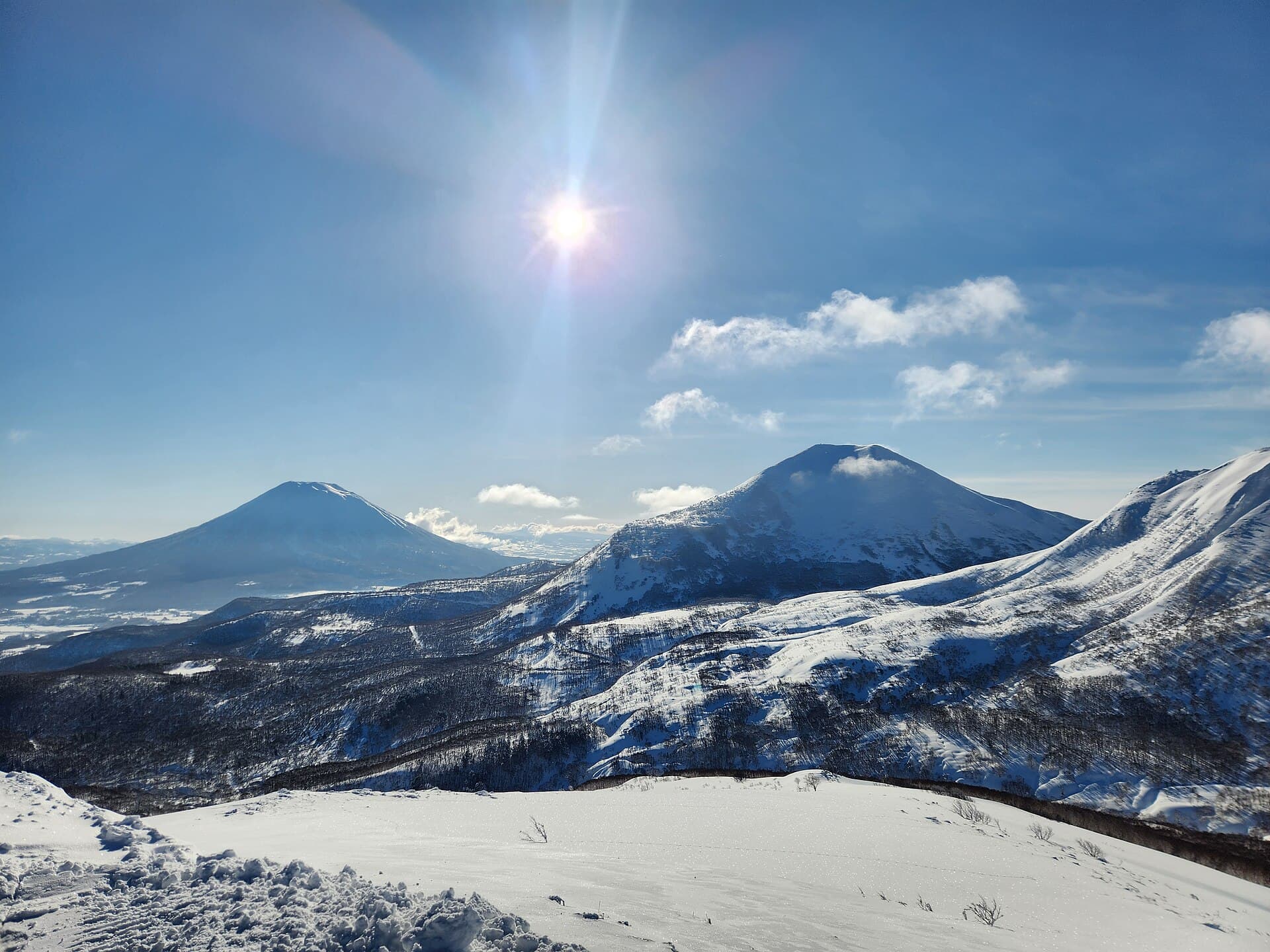
Niseko Annupuri is the more focused Niseko-area pick.
It makes sense for skiers who want access to the broader Niseko powder scene but do not need the busiest, most central-feeling base. The mood is a little more relaxed, which can matter on a backcountry trip.
For sidecountry-focused skiers, Annupuri works because it keeps you close to the kind of terrain that makes Niseko famous while feeling less intense than the biggest resort hubs.
The trade-off is that it is still part of a very popular snow zone. Do not choose it expecting a secret. Choose it because it gives you a better balance.
6. Ontake 2240 Ski Resort, Nagano
- Best for: skiers who want high-mountain Nagano character away from the obvious choices.
- Backcountry feel: exposed, quiet, adventurous.
- Go here if: you want a more unusual Nagano backcountry trip.
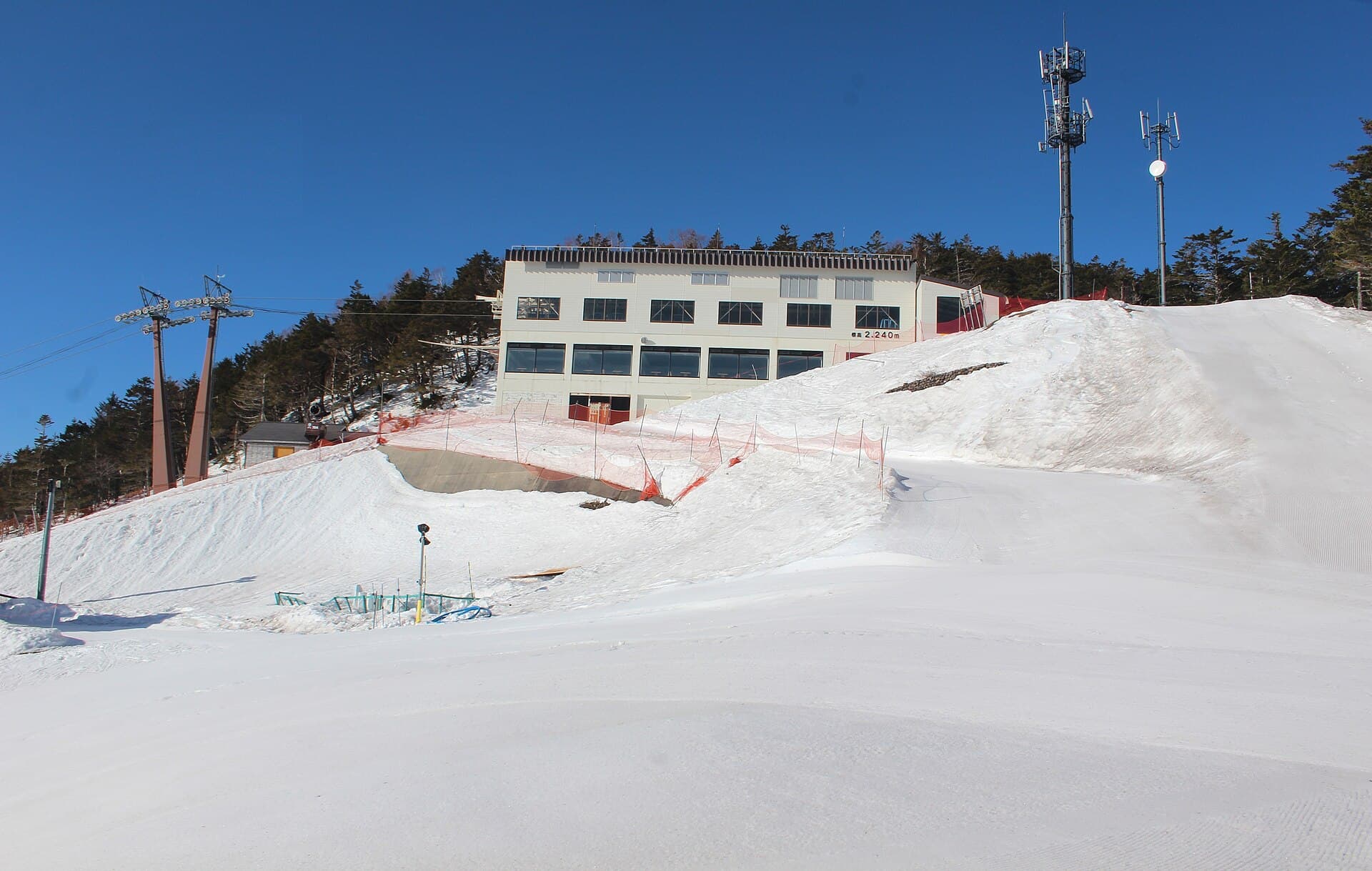
Ontake 2240 Ski Resort is a strong pick for skiers looking beyond the standard names.
The draw is the mountain setting. It has a more remote, serious feel than many easier-access resorts, which makes it interesting for skiers who want their trip to feel more like exploration than resort tourism.
That does not mean it is automatically better. It means it asks more from your planning. You should think carefully about weather, access, guide support and how much uncertainty your group can handle.
For the right skier, that is the appeal. Ontake 2240 feels like a trip you choose with intention.
7. Seki Onsen Ski Area, Niigata
- Best for: powder skiers who like old-school resorts with serious storm character.
- Backcountry feel: deep, simple, cult-like.
- Go here if: you want a small-resort feel with a strong off-piste identity.
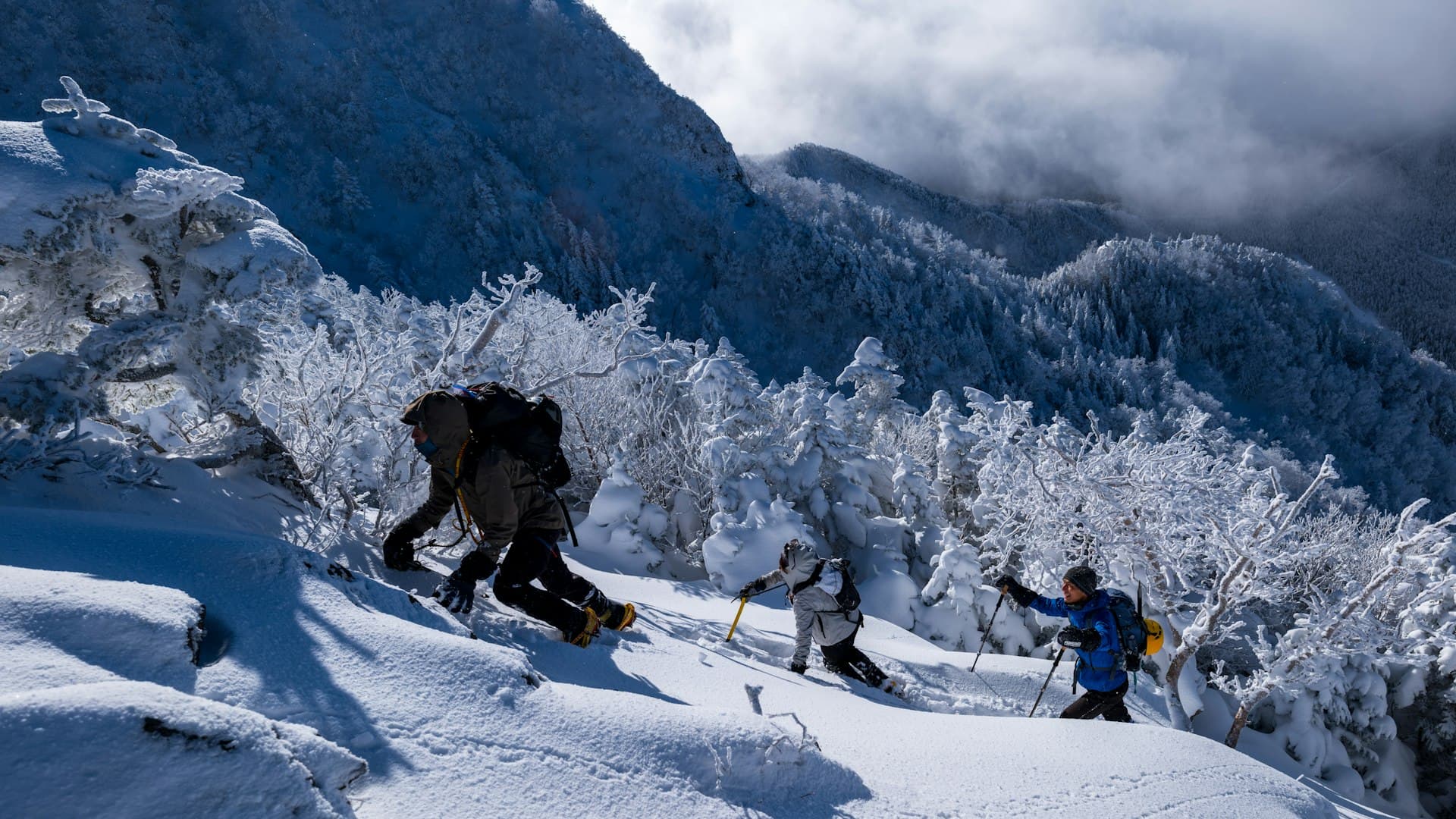
Seki Onsen Ski Area is the cult pick.
It is not the polished resort answer. That is the point. Seki Onsen appeals to skiers who care more about snow, terrain feel and storm-day character than shiny facilities.
For backcountry-minded skiers, this kind of place can be more rewarding than a bigger resort. The atmosphere is simpler, the focus is clearer, and the trip feels less manufactured.
The trade-off is comfort. If your group wants a smooth, modern resort experience, Seki Onsen may feel too rough around the edges.
8. Norikura Kogen Ski Area, Nagano
- Best for: skiers who want a quieter Nagano base with touring character.
- Backcountry feel: calm, natural, low-key.
- Go here if: you want backcountry access without the big-resort mood.
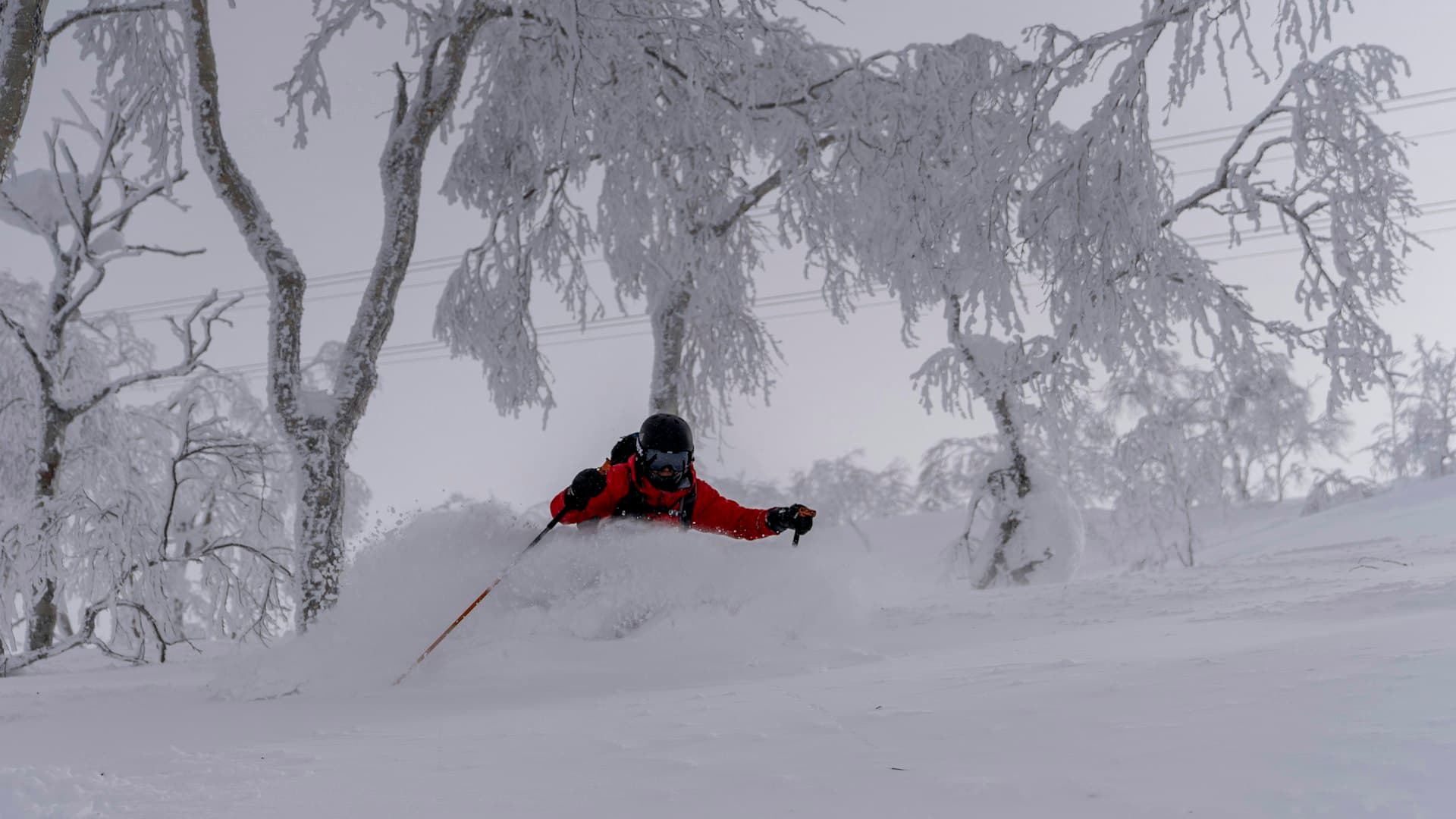
Norikura Kogen Ski Area is a good choice for skiers who want a quieter mountain trip.
It has a different feel from the major Hakuba-style resorts. The appeal is not scale or hype. It is the slower rhythm, the mountain setting and the sense that the skiing sits inside a broader winter landscape.
That can be ideal for backcountry travellers who do not want every day to feel like a resort mission. You can build a trip around snow, touring and a calmer base.
The trade-off is that you need to be more self-directed. If you want a highly developed ski scene around you, this may feel too quiet.
9. Senjojiki Ski Area, Nagano
- Best for: advanced skiers who want alpine access with serious conditions.
- Backcountry feel: alpine, exposed, technical.
- Go here if: you want a high-consequence mountain environment and understand the risks.
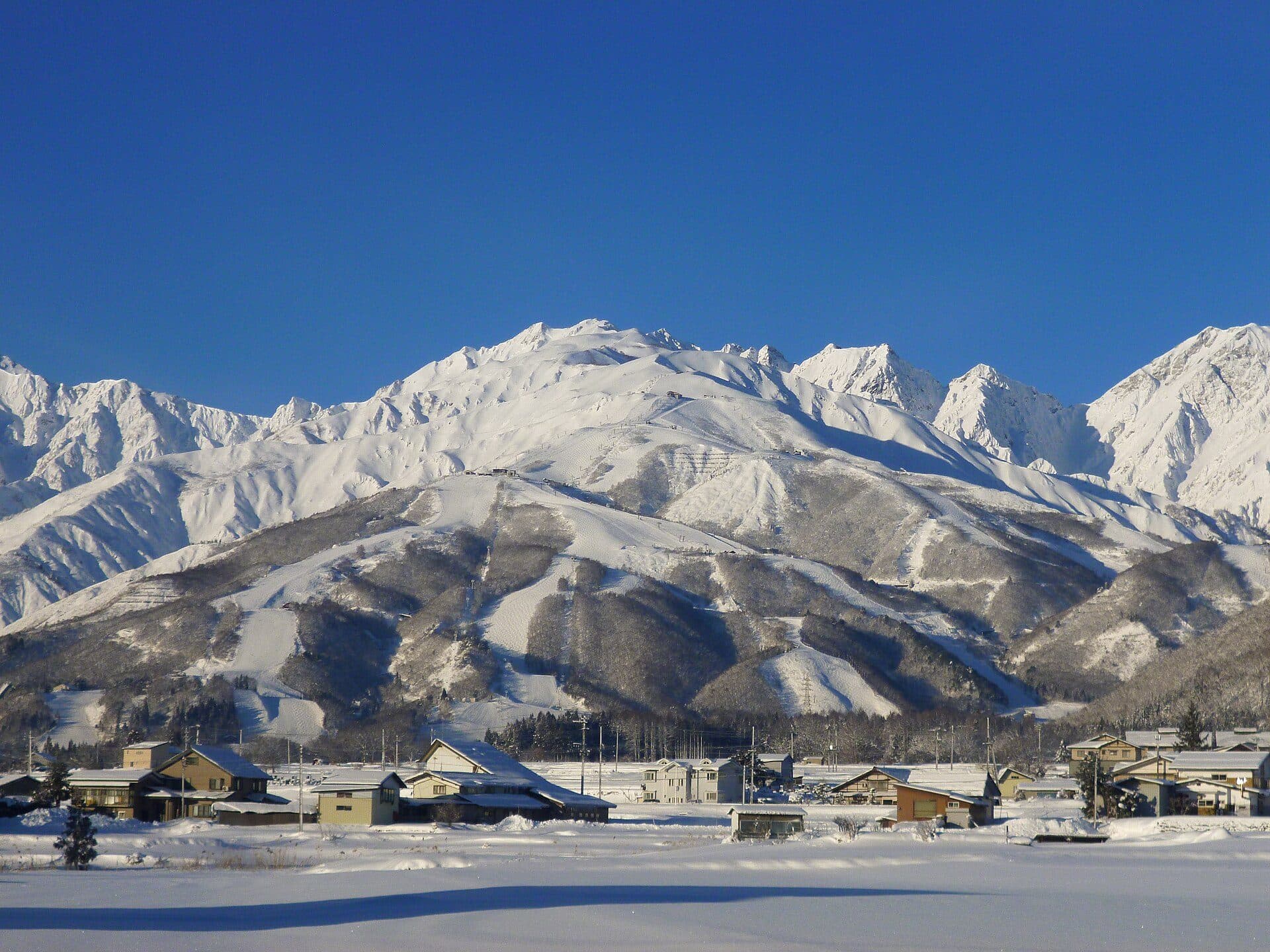
Senjojiki Ski Area is not a normal family-friendly ski pick.
It belongs in this guide because of its alpine character. This is the kind of place where the setting is the main story, and where backcountry decisions matter more than resort convenience.
That makes it interesting for experienced skiers. It also makes it easy to overestimate. Terrain like this should not be treated as a casual extension of resort skiing.
The trade-off is that conditions and safety planning dominate the trip. If you want relaxed powder laps, pick somewhere else.
10. Gassan Ski Resort, Tohoku
- Best for: spring backcountry-style skiing with a very different season feel.
- Backcountry feel: spring, open, unusual.
- Go here if: you want a Japan ski trip that does not follow the normal mid-winter powder script.
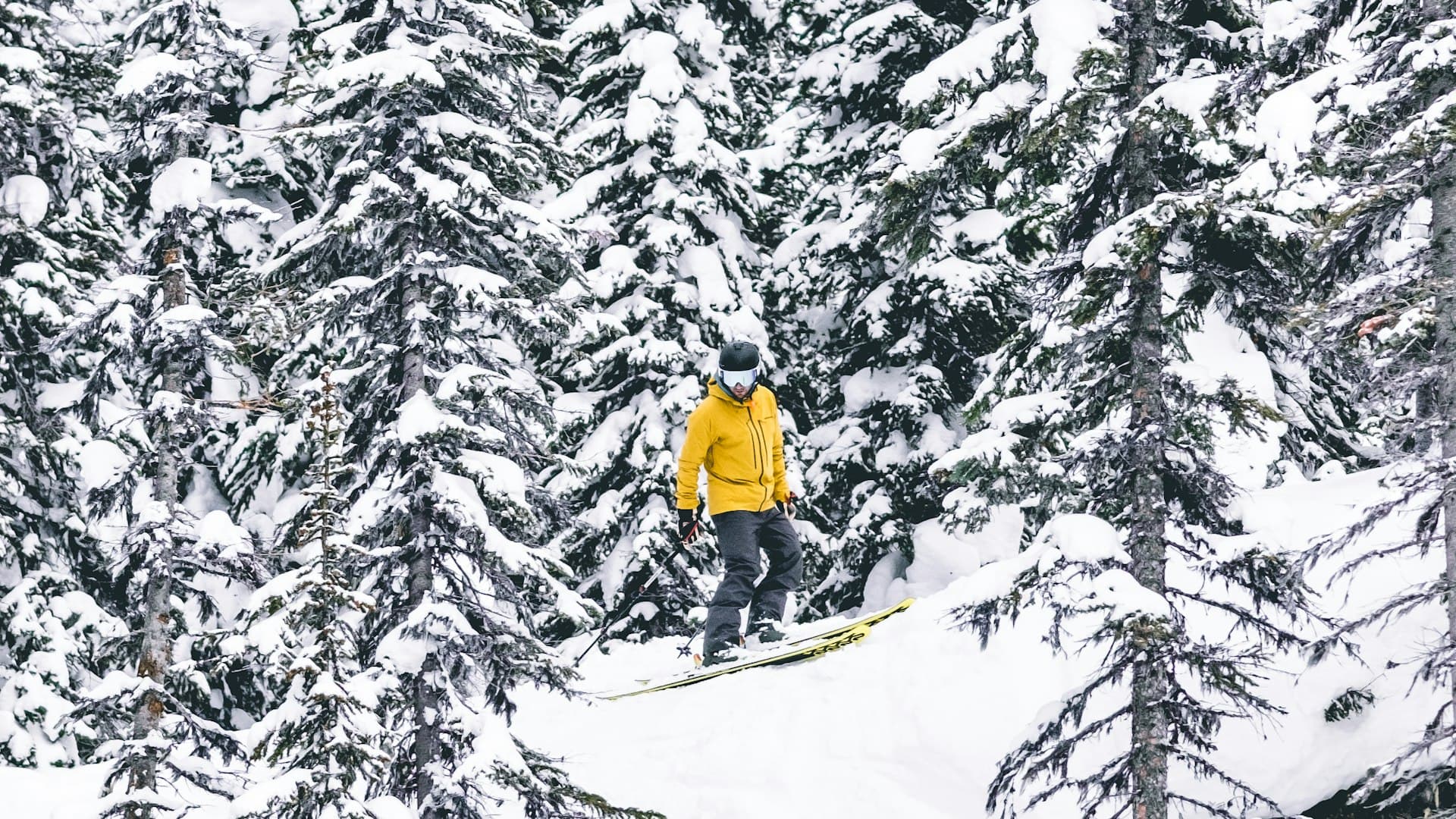
Gassan Ski Resort is the outlier.
Most Japan backcountry talk is about deep mid-winter storms. Gassan is different. It is more closely tied to spring conditions and a later-season rhythm, which changes the whole feel of the trip.
That makes it valuable, but only if you understand what you are choosing. This is not the same decision as booking a January powder trip. Snow conditions, timing and mountain safety need to be judged differently.
For skiers who want something unusual, Gassan is one of the most interesting names on the list.
Best backcountry resorts by traveller type
- Best overall alpine backcountry — Happo-One Hakuba. Serious terrain from a major Nagano resort base.
- Best first Japan backcountry trip — Niseko United. Strong sidecountry culture with easier logistics.
- Best ropeway-accessed wild terrain — Hakkoda Ropeway Ski Area. Serious Tohoku mountain access with a remote feel.
- Best volcanic Hokkaido trip — Asahidake Ropeway. Raw terrain and a less resort-like atmosphere.
- Best calmer Niseko-area base — Niseko Annupuri. A softer base feel while staying close to the Niseko snow scene.
- Best hidden Nagano pick — Ontake 2240 Ski Resort. More unusual mountain character away from the obvious choices.
- Best old-school powder feel — Seki Onsen Ski Area. Simple, storm-focused and full of character.
- Best quiet touring mood — Norikura Kogen Ski Area. Low-key Nagano base with a natural mountain rhythm.
- Best technical alpine character — Senjojiki Ski Area. High-consequence alpine feel for experienced skiers.
- Best spring backcountry option — Gassan Ski Resort. A different season rhythm from the usual powder trip.
Best region for backcountry skiing
Hokkaido
Hokkaido is the easiest region to recommend for powder-focused backcountry trips. Niseko United, Niseko Annupuri and Asahidake Ropeway all give you different versions of the same core appeal: access to serious snow and terrain that can feel much bigger than a normal resort day.
The difference is the style. Niseko is more developed and easier to plan. Annupuri is calmer. Asahidake is more raw and mountain-focused.
Choose Hokkaido if you want deep-winter snow to be the centre of the trip. Just do not confuse famous powder with low risk. Backcountry rules still apply.
Nagano
Nagano is the strongest region for alpine character. Happo-One Hakuba, Ontake 2240 Ski Resort, Norikura Kogen Ski Area and Senjojiki Ski Area all suit skiers who want more than simple tree skiing.
The region gives you a wide spread of backcountry styles. Happo-One has the major resort feel. Ontake 2240 feels more unusual. Norikura Kogen is quieter. Senjojiki is more technical and exposed.
Choose Nagano if terrain character matters as much as snow quality. The trade-off is that route choice, weather and experience level become even more important.
Tohoku
Tohoku is where the trip starts to feel more remote. Hakkoda Ropeway Ski Area and Gassan Ski Resort are both serious backcountry names, but they are not the same kind of trip.
Hakkoda is the stormy ropeway-accessed winter pick. Gassan is the spring outlier with a different snow rhythm and a different set of decisions.
Choose Tohoku if you want a backcountry trip with more character and less obvious resort polish. It rewards skiers who are willing to plan carefully.
Niigata
Niigata's standout backcountry pick here is Seki Onsen Ski Area.
It works because it has the old-school storm-day feel that serious powder skiers often care about. It is not trying to be the biggest or cleanest resort experience.
Choose Niigata if you want a simpler, more cult-like powder trip. The trade-off is that you should not expect the smoothest resort infrastructure.
Backcountry safety in Japan
When to hire a guide
Hire a guide when the terrain is unfamiliar, the weather is changing, your group has mixed experience, or you are not fully confident reading local conditions. Japan's backcountry can look approachable because lifts and ropeways remove some of the effort, but access does not equal safety. A good guide helps with terrain selection, pacing, route choices and knowing when to turn around.
Gate-access vs unmarked terrain
Gate access can make backcountry skiing feel organised, but once you leave managed resort terrain, the responsibility changes. A gate is not a guarantee that every route beyond it is safe or simple. Unmarked terrain can be even harder to judge because the line between resort skiing and real backcountry may not feel obvious until you are already committed.
Avalanche awareness
Avalanche risk is not just a big-mountain problem. Storm snow, wind loading, terrain traps, convex slopes and poor visibility can all turn a good-looking line into a bad decision. Every backcountry skier should understand the basic warning signs, carry proper rescue gear, and ski with people who know how to use it. The key principle is simple: powder does not remove consequence.
Spring conditions and volcanic terrain
Spring skiing changes the risk profile. Snow can soften, refreeze, collapse or become unstable through the day, especially in open alpine and volcanic terrain. Places like Asahidake Ropeway need extra respect because the mountain environment is not just about skiing. Weather, visibility, surface conditions and hidden hazards can matter as much as the line itself.
Final recommendation
If you want the best backcountry ski resort in Japan, choose Happo-One Hakuba.
It has the strongest mix of serious terrain, alpine character and resort-base practicality. For experienced skiers, that combination is hard to beat.
But it is not the safest default for everyone. If your priority is a first Japan backcountry trip with easier logistics, Niseko United is the cleaner starting point.
- Choose Niseko United if you want sidecountry access with a developed ski base.
- Choose Hakkoda Ropeway Ski Area if you want serious ropeway-accessed terrain.
- Choose Asahidake Ropeway if you want raw volcanic Hokkaido character.
- Choose Niseko Annupuri if you want the Niseko snow scene with a calmer feel.
- Choose Seki Onsen Ski Area if you want old-school powder character.
- Choose Gassan Ski Resort if you want a spring backcountry-style trip.
Backcountry skiing in Japan is not just resort skiing with better snow. The best trips come from matching the mountain to your ability, your group and your willingness to make conservative decisions when the conditions ask for it.